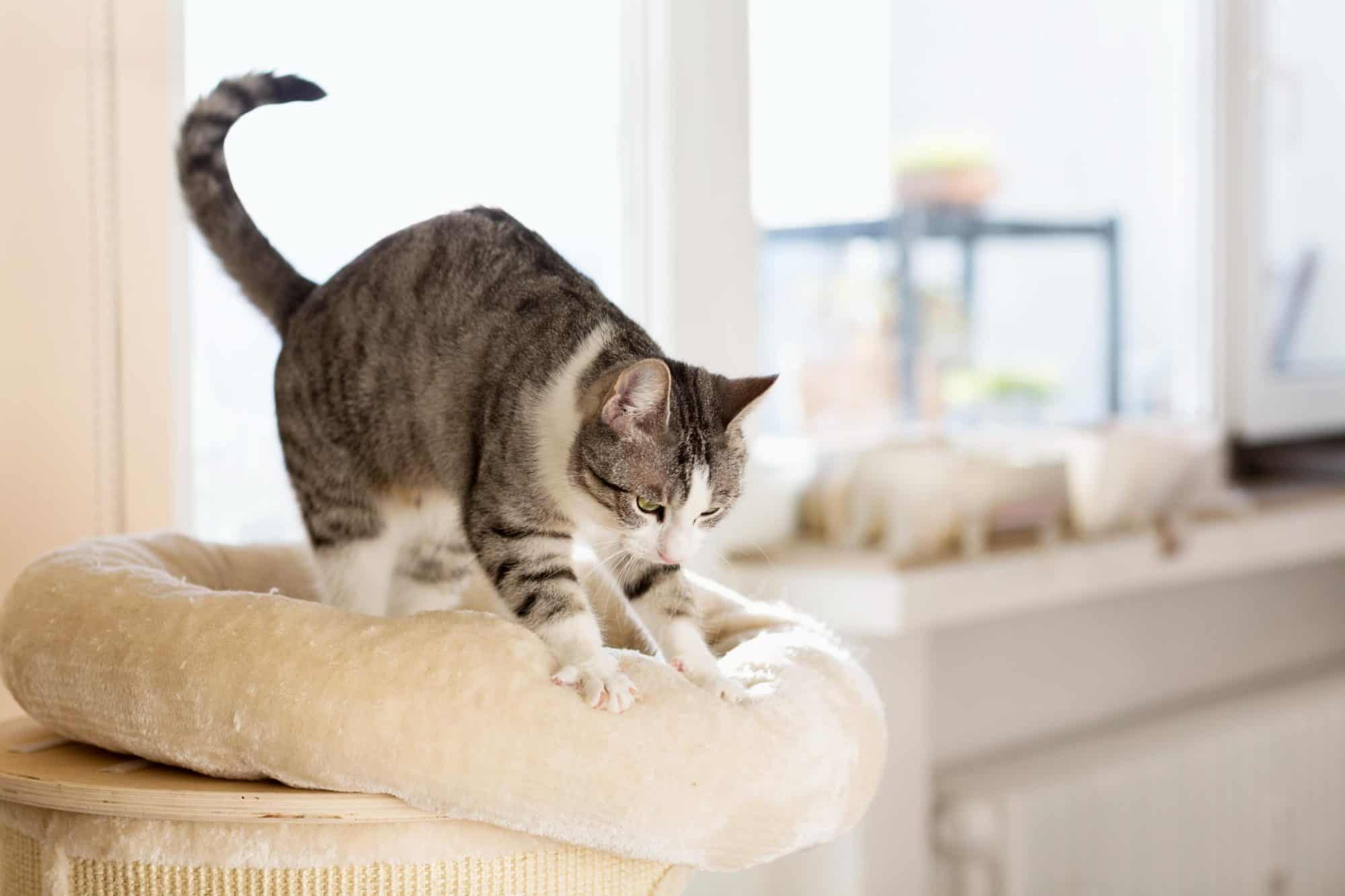
If your cat has ever climbed onto your lap and started rhythmically pushing their paws against you, a blanket, or another soft surface, you’ve probably wondered why they do it.
This behavior is known as kneading, and it is common among cats. While the exact reason can vary from one cat to another, kneading is generally associated with comfort, relaxation, and natural feline behavior.
Understanding why your cat kneads can give you a better idea of what they’re communicating.
1. Kittens Knead While Nursing
One of the earliest reasons cats develop kneading behavior is connected to nursing.
Kittens instinctively push their paws against their mother’s abdomen while nursing. This movement can help stimulate milk flow.
As cats grow older, they may continue the behavior even though they no longer need to nurse. The movement can become associated with feelings of comfort and security.
This is one reason some adult cats knead soft blankets, beds, or their owners.
2. Kneading Can Mean Your Cat Is Comfortable
Many cats knead when they are relaxed.
You may notice your cat kneading when:
- They’re sitting on your lap
- They’re settling into bed
- They’re lying on a soft blanket
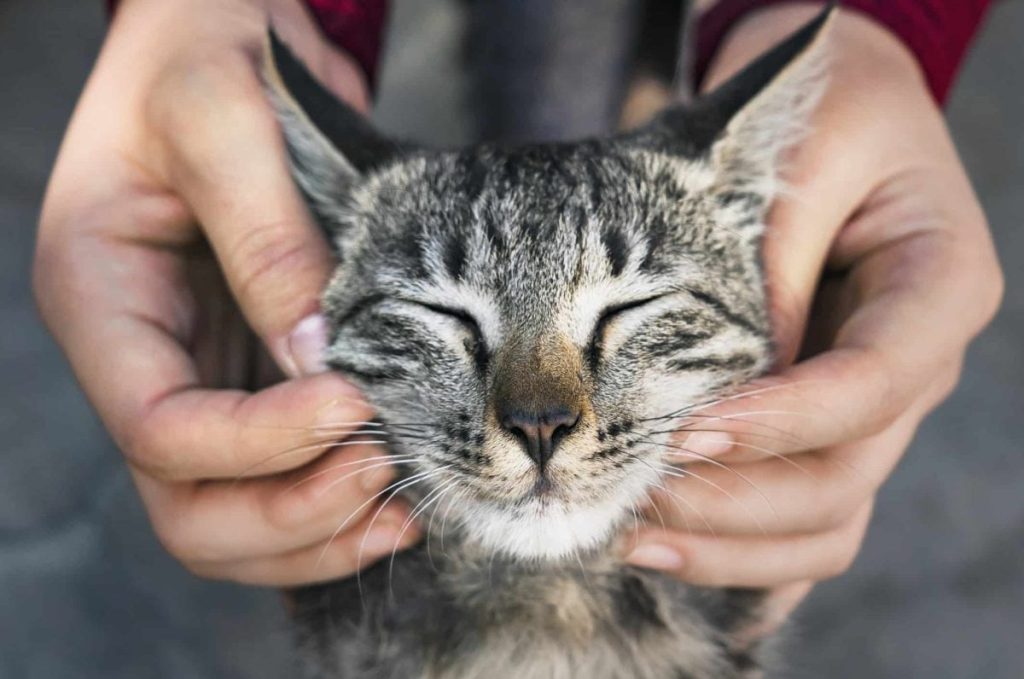
- You’re petting them
- They’re preparing to sleep
A cat that is purring, relaxed, and kneading at the same time is often displaying behavior associated with comfort and contentment.
3. Your Cat May Knead You as a Sign of Affection
Some cats knead their owners, particularly when they are relaxed and seeking attention.
If your cat climbs onto your lap, purrs, and gently kneads you, they may simply be comfortable being close to you.
Cats don’t all show affection in the same way. Some prefer sitting beside you, while others rub against you, follow you around, or knead on your lap.
Kneading can be one of the ways an individual cat expresses comfort around a person.
4. Cats May Knead Before Going to Sleep
You may notice your cat kneading a blanket, bed, or other soft surface immediately before settling down.
This may be connected to instinctive behavior. Wild cats and their ancestors may have manipulated vegetation or other surfaces before resting.
Domestic cats don’t need to prepare a sleeping spot in the same way, but some may retain similar behaviors.
For many cats, kneading appears to be part of their personal routine for getting comfortable.
5. Kneading Can Help Mark a Familiar Area
Cats have scent glands in several parts of their bodies, including their paws.
When your cat kneads a blanket, bed, or another surface, they may leave behind some of their scent.
This can help make an area feel familiar and comfortable.
You may notice your cat repeatedly kneading the same blanket, bed, or favorite spot because they associate that area with relaxation and security.
6. Some Cats Knead When They’re Seeking Attention
Kneading can sometimes be a way for a cat to interact with their owner.
If your cat has learned that kneading gets them attention, petting, or affection, they may repeat the behavior when they want interaction.
For example, your cat might climb onto your lap, knead for a few moments, and then settle down for some attention.
This doesn’t necessarily mean they are demanding something. It can simply be part of how they initiate social interaction.
7. Not Every Cat Kneads
Some cats knead frequently, while others rarely do it.
There is no requirement for a cat to knead in order to be happy or healthy.
Differences can depend on:
- Personality
- Age
- Early experiences
- Individual habits
- Preferred sleeping surfaces
- Social behavior
If your cat doesn’t knead, there is generally no reason to be concerned simply because they don’t display the behavior.
8. Kneading Can Sometimes Be Uncomfortable for Owners
Although kneading is usually harmless, your cat’s claws can make it uncomfortable when they knead your lap.
You don’t have to discourage the behavior entirely.
Instead, try placing a thick blanket between your cat and your skin. This gives your cat a comfortable surface to knead while protecting you from sharp claws.
Keeping your cat’s nails appropriately trimmed can also make kneading less uncomfortable.
Avoid punishing your cat for kneading. They are usually displaying a natural behavior rather than deliberately causing discomfort.
9. What If Your Cat Suddenly Starts Kneading More?
A change in behavior is worth observing, especially if it happens alongside other changes.
If your cat suddenly begins kneading much more frequently, consider whether something else has changed in their environment or routine.
Possible factors can include:
- A new sleeping area
- Changes in the household
- Increased need for comfort
- A change in daily routine
- Increased attention from people
- A new pet
Kneading by itself is usually not a cause for concern. However, sudden behavioral changes combined with changes in appetite, grooming, litter box habits, activity, or signs of pain should be discussed with a veterinarian.
10. When Kneading May Be a Sign of Stress
Kneading is usually associated with comfort, but context matters.
If your cat is kneading while also showing signs of anxiety or distress, look at their overall body language.
Signs that may indicate stress include:
- Hiding more than usual
- Excessive vocalization
- Aggression
- Excessive grooming
- Loss of appetite
- Changes in litter box habits
- Avoiding people or other pets
- Restlessness
If these behaviors appear alongside unusual kneading, the kneading itself may not be the problem. Instead, there may be something else affecting your cat’s well-being.
How to Respond When Your Cat Kneads
In most cases, there’s nothing you need to do when your cat kneads.
If your cat is relaxed and comfortable, you can simply let them continue.
If they knead you with sharp claws, try:
- Placing a blanket on your lap
- Gently moving their paws onto a soft surface
- Keeping their nails trimmed
- Redirecting them without punishment
The goal is to allow normal behavior while making it comfortable for both of you.
Should You Stop Your Cat From Kneading?
Usually, no.
Kneading is a natural behavior and is often associated with relaxation and comfort. There’s generally no reason to stop a cat from kneading simply because they do it frequently.
The main exception is if the behavior becomes associated with aggression, severe anxiety, or another unusual change in behavior.
In those situations, focus on understanding the underlying cause rather than trying to eliminate kneading itself.
The Bottom Line
Kneading is one of the many behaviors that make cats unique. For many cats, it is connected to early kittenhood, relaxation, comfort, affection, and familiar surroundings.
If your cat kneads your lap, a blanket, or their favorite bed while appearing relaxed, it’s usually nothing to worry about.
Give them a comfortable surface, keep their nails appropriately trimmed, and enjoy the fact that your cat feels safe enough to relax around you.