A clean litter box is an important part of keeping your cat comfortable and maintaining good litter box habits. Cats are naturally clean animals, and many are sensitive to dirty, strongly scented, or poorly placed litter boxes.
Regular cleaning can help control odors, reduce mess, and make your cat more likely to consistently use the litter box.
1. Scoop the Litter Box Regularly
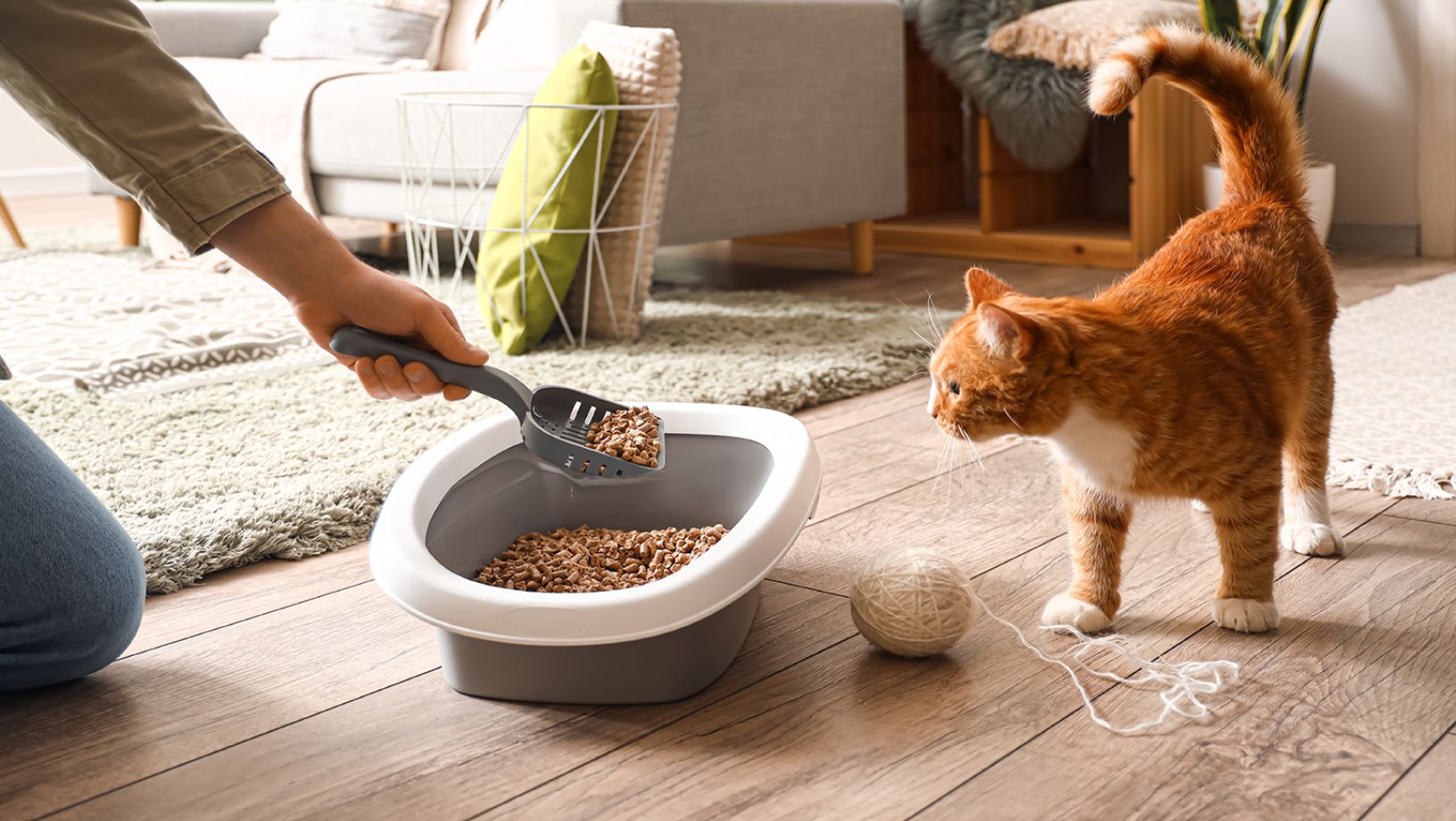
One of the most important parts of litter box care is removing waste regularly.
Try to scoop out urine clumps and feces at least once a day. If you have multiple cats, you may need to scoop more frequently.
Leaving waste in the box for long periods can make the box unpleasant for your cat and may encourage them to find another place to go.
A quick daily scoop is usually much easier than allowing the box to become heavily soiled and cleaning everything at once.
2. Use Enough Litter
The litter should generally be deep enough for your cat to comfortably dig and cover their waste.
If there isn’t enough litter, urine may reach the bottom of the box, making it harder to clean. On the other hand, filling the box excessively can result in more litter being kicked onto the surrounding floor.
Follow the recommendations for your particular litter and observe how your cat uses the box.
3. Completely Change the Litter When Necessary
Scooping removes waste, but it doesn’t remove everything that has accumulated in the box.
Depending on the type of litter and how many cats use the box, you may need to completely replace the litter periodically.
When changing the litter:
- Empty the old litter.
- Clean the box.
- Dry it thoroughly.
- Add fresh litter.
- Return the box to its normal location.
The exact frequency depends on the type of litter, number of cats, and how quickly the box becomes soiled.
4. Wash the Litter Box Properly
When you empty the box, wash it with warm water and a mild, pet-safe cleaning product if needed.
Rinse it thoroughly and allow it to dry before adding fresh litter.
Avoid strong fragrances or harsh chemicals. Cats have sensitive noses, and a heavily scented box may discourage them from using it.
You generally don’t need to make the litter box smell strongly perfumed to keep it clean.
5. Choose the Right Location
Where you place the litter box can make a significant difference.
Choose a location that is:
- Quiet
- Easy for your cat to access
- Away from busy household traffic
- Separate from food and water
- Large enough for your cat to use comfortably
Avoid placing the box somewhere your cat can easily become trapped or startled.
For example, a box in a cramped corner with only one difficult exit may make some cats uncomfortable.
6. Provide Enough Litter Boxes
If you have multiple cats, having several litter boxes can help reduce competition and prevent one cat from controlling access to the only available box.
A commonly recommended approach is to provide one litter box per cat, plus one extra.
For example:
| Number of Cats | Suggested Number of Litter Boxes |
|---|---|
| 1 | 2 |
| 2 | 3 |
| 3 | 4 |
| 4 | 5 |
This isn’t an absolute rule for every household, but providing multiple options can be particularly useful in homes with several cats.
7. Choose a Comfortable Box
The litter box should be large enough for your cat to comfortably enter, turn around, dig, and position themselves.
Some cats prefer open boxes because they provide a clear view of their surroundings. Others may prefer covered boxes.
If you’re introducing a new type of litter box, pay attention to how your cat responds.
If your cat suddenly stops using a previously accepted box after you replace it, the new design may simply be uncomfortable or unfamiliar.
8. Be Careful When Changing Litter
Cats can become accustomed to a particular type of litter.
If you suddenly switch to a different texture, scent, or material, your cat may dislike the change.
When possible, introduce a new litter gradually by mixing increasing amounts of the new litter with the old one.
Also consider choosing unscented litter if your cat is sensitive to strong smells.
9. Reduce Litter Tracking Around the House
Some litter inevitably gets carried outside the box, especially when cats dig or jump out.
You can reduce tracking by:
- Placing a litter mat outside the box
- Using a box with appropriate sides
- Keeping the area around the box clean
- Choosing litter that is less likely to stick to paws
- Regularly sweeping or vacuuming nearby
Don’t try to prevent tracking by making the litter box uncomfortable for your cat. Your cat’s ability to comfortably enter, dig, and turn around should come first.
10. Pay Attention to Changes in Litter Box Habits
Cleaning the litter box isn’t only about hygiene. It also gives you an opportunity to notice changes in your cat’s bathroom habits.
Watch for:
- Suddenly urinating outside the box
- Straining to urinate
- More frequent trips to the box
- Significant changes in urine volume
- Diarrhea
- Constipation
- Blood in urine or stool
- Crying or obvious discomfort
These changes can have medical or behavioral causes.
If your cat repeatedly strains to urinate or appears unable to urinate, seek veterinary care promptly, as urinary obstruction can be an emergency.
Common Litter Box Mistakes
Cleaning only when it smells
By the time a litter box has a strong odor, it may already be unpleasant for your cat.
Using strong fragrances
Heavy perfumes can make the box less appealing to some cats.
Placing the box next to food
Cats generally prefer to keep their eating and bathroom areas separate.
Providing too few boxes
Multiple cats may compete for access to a limited number of boxes.
Making sudden changes
Changing the litter, box, or location without giving your cat time to adjust can sometimes lead to avoidance.
Ignoring accidents
If your cat suddenly stops using the litter box, simply cleaning the accident isn’t enough. Try to determine why the behavior changed.
A Simple Litter Box Cleaning Routine
A straightforward routine can keep the litter area manageable:
Every day: Scoop urine clumps and feces.
As needed: Remove litter that has become heavily soiled and clean up tracking around the box.
Periodically: Empty the box completely, wash it, dry it, and refill it with fresh litter.
Regularly: Check whether your cat’s litter box habits have changed.
The exact schedule depends on the type of litter, number of cats, size of the box, and individual habits.
When to Contact a Veterinarian
A dirty litter box can cause avoidance, but not every litter box problem is behavioral.
Contact your veterinarian if your cat develops persistent or sudden changes such as:
- Urinating outside the litter box
- Straining to urinate
- Frequent attempts to urinate
- Blood in urine
- Persistent diarrhea
- Severe constipation
- Crying while using the box
- Sudden changes in bathroom frequency
Don’t assume that a cat is simply being difficult. A change in litter box behavior can sometimes be one of the first signs of a health problem.
The Bottom Line
Keeping your cat’s litter box clean is one of the simplest ways to make their environment more comfortable.
Scoop regularly, provide enough boxes, choose an appropriate location, avoid strong fragrances, and clean the boxes thoroughly when necessary.
Most importantly, pay attention to your cat’s normal litter box habits. A sudden change in bathroom behavior should not be ignored, particularly when there are signs of pain or difficulty urinating.