Cats can be surprisingly subtle when it comes to showing how they feel. Unlike dogs, they don’t always make their emotions obvious, and a cat that seems quiet or independent may still be perfectly content.
Learning your cat’s normal behavior can help you recognize signs of happiness and good health while also making it easier to notice when something changes.
1. Your Cat Has a Healthy Appetite
A consistent appetite is generally a good sign.
Most cats have fairly predictable eating habits, so you should become familiar with how much and how often your cat normally eats.
A healthy cat should generally have:
- A consistent interest in food
- Regular eating habits
- Access to fresh water
- A stable body condition
A sudden change in appetite can sometimes indicate that something is wrong. If your cat stops eating, eats significantly less, or suddenly becomes unusually hungry, pay attention to the change and consider contacting your veterinarian.
2. Your Cat Is Grooming Normally
Cats are naturally clean animals and spend a significant amount of time grooming themselves.
Regular grooming helps keep their coat clean and comfortable. A healthy cat will generally maintain its coat without excessive difficulty.
Pay attention to changes such as:
- Suddenly grooming much less
- Excessive licking of one particular area
- Bald patches
- Matted fur
- Dirty or greasy-looking coat
- Increased scratching
Changes in grooming can sometimes be associated with stress, discomfort, skin problems, or other health issues.
3. Your Cat Has a Normal Sleeping Pattern
Cats sleep a lot, so spending many hours asleep doesn’t necessarily mean your cat is sick.
What’s more important is whether their sleeping habits are consistent with their normal behavior.
A healthy, comfortable cat should still have periods when they wake up to:
- Eat
- Drink
- Groom
- Explore
- Play
- Interact with people or other pets
If your cat suddenly becomes much more lethargic than usual or seems difficult to wake or engage with, that is worth paying attention to.
4. Your Cat Shows Interest in Play
Play is an important part of a cat’s physical and mental well-being.
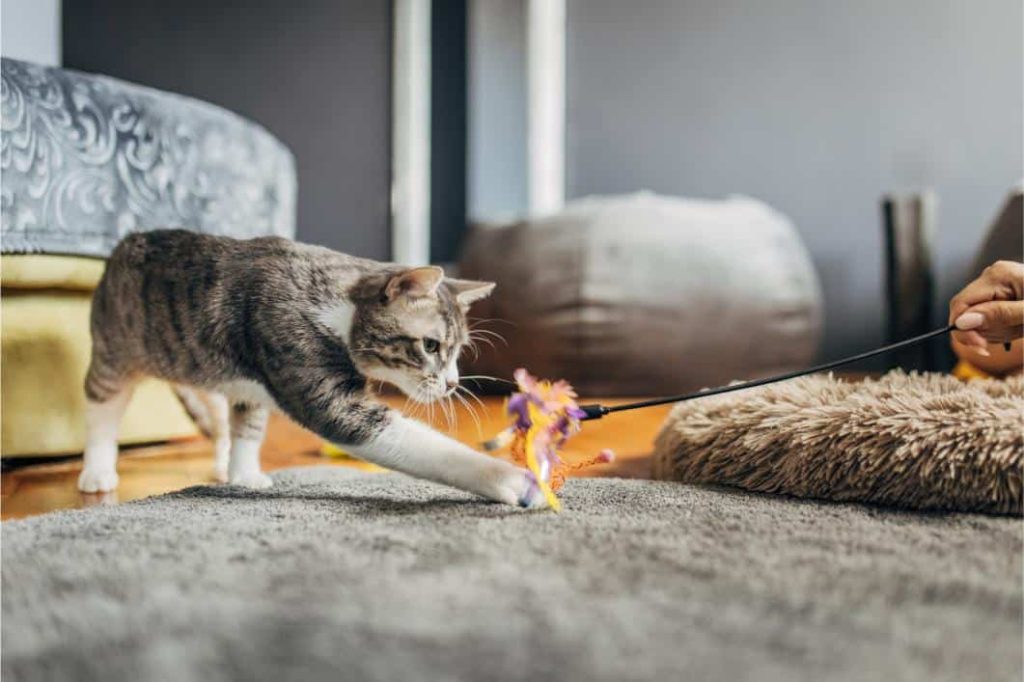
A happy cat may show interest in chasing toys, batting objects, climbing, stalking, or playing interactive games.
Not every cat has the same energy level. Kittens are usually much more energetic than senior cats, and some adult cats naturally prefer quieter activities.
The important thing is to know what is normal for your individual cat.
A sudden loss of interest in activities your cat normally enjoys can be a sign that something has changed.
5. Your Cat Uses the Litter Box Normally
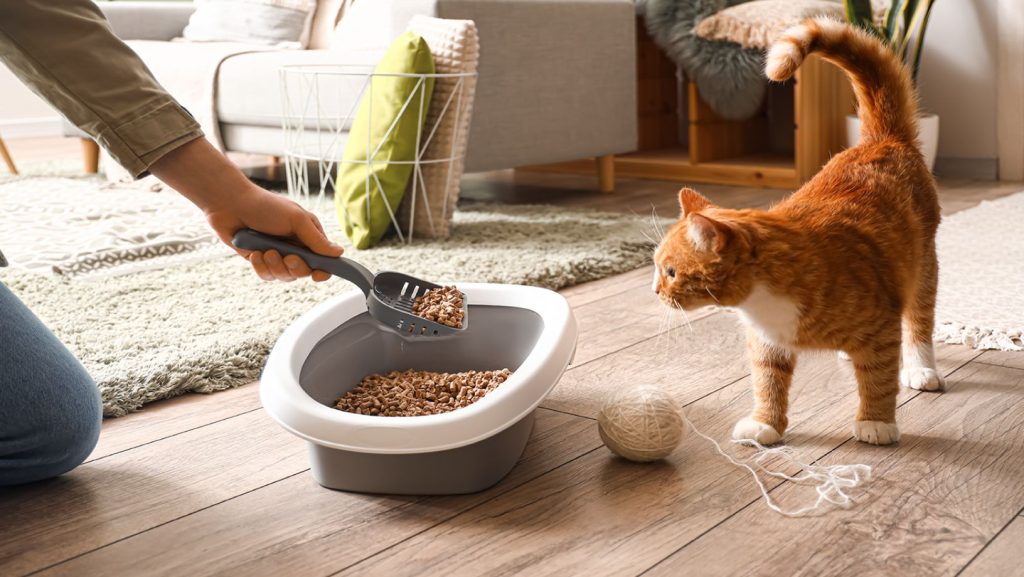
Regular litter box habits can provide useful clues about your cat’s health.
Pay attention to your cat’s normal frequency and behavior when using the litter box.
Potential warning signs include:
- Suddenly urinating outside the litter box
- Straining to urinate
- Repeatedly entering the litter box without producing much urine
- Significant changes in bowel movements
- Blood in urine or stool
- Crying or appearing distressed while using the litter box
Some urinary problems can become serious quickly, particularly if a cat is unable to urinate. If your cat is repeatedly straining to urinate or appears unable to pass urine, seek veterinary care promptly.
6. Your Cat Uses Relaxed Body Language
Cats communicate a great deal through their body language.
A relaxed cat may:
- Lie comfortably with a loose body
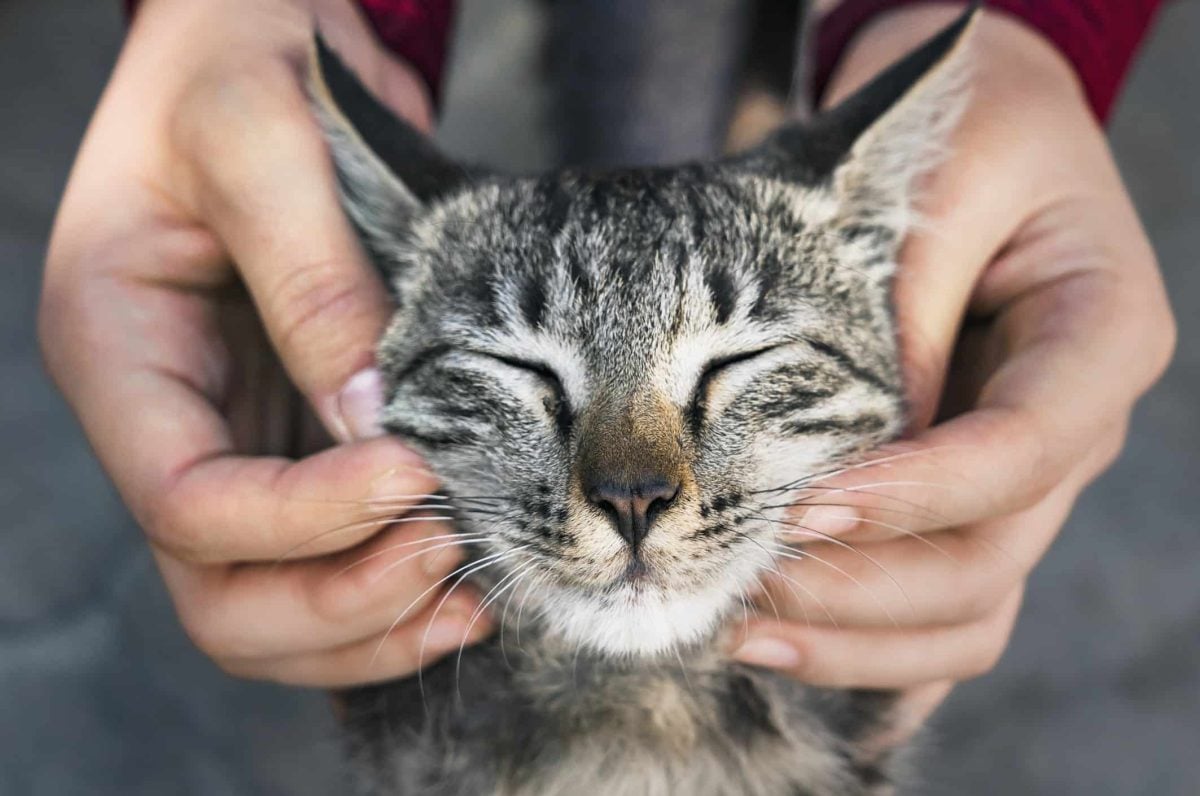
- Slowly blink at you
- Hold their ears in a natural position
- Have relaxed whiskers
- Stretch out while resting
- Sit or lie comfortably near you
A cat that feels safe may also choose to spend time in the same room as you without necessarily wanting constant attention.
Understanding your cat’s normal body language can help you distinguish between relaxation and signs of fear or discomfort.
7. Your Cat Has Healthy Social Behavior
Cats have different personalities. Some love attention and follow their owners around, while others prefer to spend much of their time independently.
A happy cat doesn’t necessarily need to be extremely affectionate.
Instead, look for behavior that is normal for your cat.
Your cat may show affection by:
- Rubbing against you
- Sitting nearby
- Sleeping close to you
- Purring
- Following you between rooms
- Bringing toys
- Greeting you when you come home
A sudden change from your cat’s usual social behavior can be more meaningful than whether they are naturally outgoing or reserved.
8. Your Cat Maintains a Healthy Coat and Appearance
Your cat’s physical appearance can provide useful clues about their overall well-being.
A healthy-looking coat is generally clean and reasonably well maintained.
During regular interaction, look for changes such as:
- New lumps or bumps
- Hair loss
- Skin irritation
- Persistent dandruff
- Swelling
- Changes in body weight
- Difficulty grooming certain areas
You don’t need to inspect your cat obsessively. Regular handling and observation can make it easier to notice changes over time.
9. Your Cat Is Curious About Its Environment
Curiosity is a natural part of feline behavior.
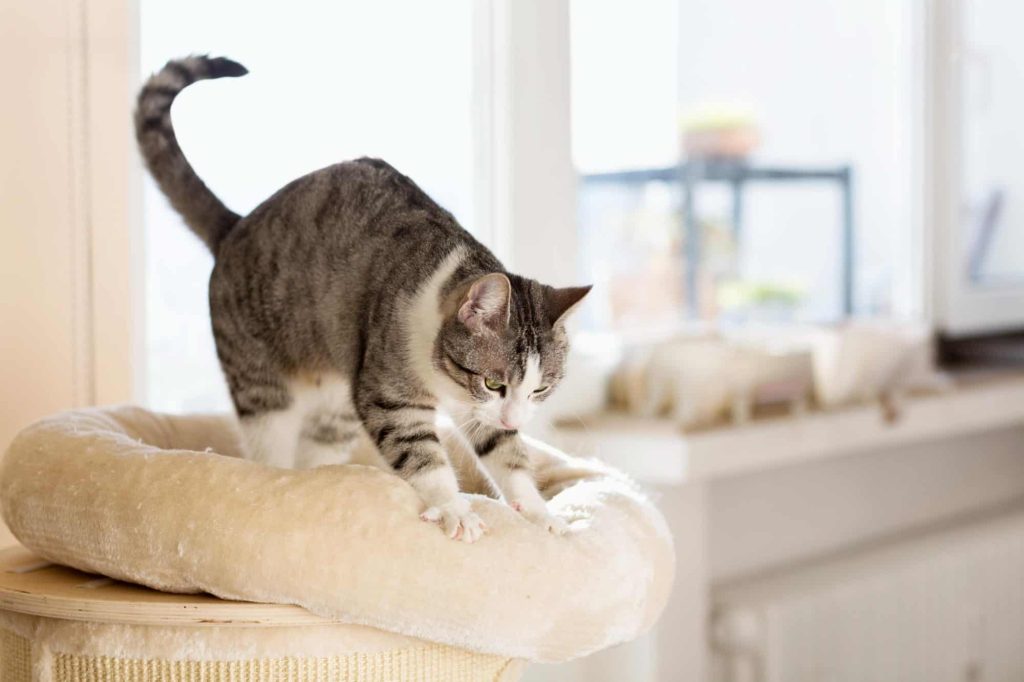
A comfortable cat may investigate new sounds, objects, smells, and areas of the home. They may watch birds through a window, explore a new box, investigate a new toy, or climb onto a favorite elevated spot.
A cat doesn’t need to be constantly active to be healthy. However, a sudden and persistent withdrawal from normal activities may deserve attention.
Providing safe opportunities to explore can also help keep indoor cats mentally stimulated.
10. Your Cat’s Weight Is Relatively Stable
Maintaining a healthy body condition is an important part of your cat’s overall health.
Rather than focusing only on the number on the scale, pay attention to gradual changes in your cat’s body shape and weight.
Unexpected weight loss or weight gain can have many possible causes and shouldn’t simply be assumed to be related to diet.
Regular veterinary checkups can help monitor your cat’s weight and body condition over time.
Signs That Something May Be Wrong
Cats are good at hiding signs of illness, so changes in normal behavior can sometimes be more important than obvious symptoms.
Contact your veterinarian if you notice persistent or significant changes such as:
- Loss of appetite
- Unusual weight loss or gain
- Excessive thirst
- Changes in urination
- Repeated vomiting or diarrhea
- Difficulty breathing
- Persistent hiding
- Sudden aggression
- Significant lethargy
- Changes in grooming
- Difficulty walking or jumping
- Persistent vocalization
- Signs of pain
You don’t need to diagnose the problem yourself. The important thing is recognizing that your cat is behaving differently from normal.
How to Keep Your Cat Happy and Healthy
There are several simple things you can do to support your cat’s well-being:
- Provide nutritious food appropriate for your cat.
- Keep fresh water available.
- Keep the litter box clean.
- Give your cat opportunities for daily play.
- Provide scratching surfaces.
- Offer safe places to hide and rest.
- Give your cat opportunities to climb and explore.
- Maintain a predictable environment.
- Spend time interacting with your cat.
- Schedule regular veterinary checkups.
Even small improvements to your cat’s environment can make everyday life more comfortable and interesting.
Learn Your Cat’s Normal Behavior
One of the best ways to recognize when your cat isn’t feeling well is to know what they normally look and act like.
Pay attention to their:
- Eating habits
- Drinking habits
- Sleeping patterns
- Grooming
- Litter box use
- Activity level
- Body language
- Social behavior
- Weight
- General personality
Once you know your cat’s baseline, unusual changes are much easier to notice.
The Bottom Line
A happy and healthy cat doesn’t have to behave in one particular way. Every cat has its own personality, activity level, and preferred ways of interacting with people.
The most important thing is consistency. If your cat is eating normally, grooming, using the litter box, playing or exploring, maintaining a stable weight, and behaving normally for them, those are generally encouraging signs.
At the same time, don’t ignore significant changes. Cats can hide illness, so persistent changes in appetite, behavior, grooming, bathroom habits, or activity should be discussed with a veterinarian.