Feeding your cat the right amount at regular times is an important part of keeping them healthy. Cats have different nutritional needs depending on their age, size, activity level, health, and the type of food they eat.
So, how often should you feed your cat? For many adult cats, two meals a day is a good starting point. However, some cats may do better with smaller, more frequent meals depending on their individual needs.
How often should you feed a cat? Most cats do well with a consistent feeding schedule, but the ideal frequency depends on their age, health, activity level, and individual needs. Kittens generally need more frequent meals than adult cats, while senior cats may benefit from a feeding routine tailored to their needs.
How Often Should You Feed a Cat?
Most healthy adult cats can be fed once or twice a day, although feeding twice daily can make it easier to establish a consistent routine and monitor how much your cat is eating.
A typical schedule might look like:
- Morning: First meal
- Evening: Second meal
Some cats prefer smaller meals spread throughout the day. If your cat tends to eat small amounts at a time, multiple meals may work well as long as their total daily food intake is appropriate.
Always follow the feeding guidance on your cat’s food as a starting point and adjust according to your cat’s individual needs.
How Often Should You Feed a Kitten?
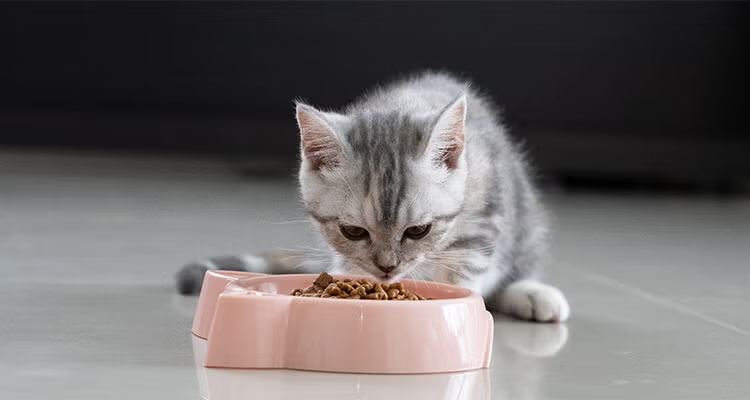
Kittens generally need to eat more frequently than adult cats because they’re growing rapidly and have relatively small stomachs.
How often should you feed a cat is a very important question but depending on their age, kittens may need three or more small meals throughout the day.
Young kittens have high energy requirements, so regular access to appropriate kitten food is important.
As they grow, their feeding schedule can gradually transition toward the routine used for adult cats.
If you’re unsure how often to feed a young kitten, your veterinarian can help you establish an appropriate schedule based on their age, size, and development.
How Often Should You Feed a Senior Cat?
Senior cats may have different nutritional and feeding needs compared with younger adults.
Some older cats continue to do well with two meals a day, while others may benefit from smaller, more frequent meals.
Changes in appetite can also be more significant in older cats. If your senior cat suddenly starts eating much more or much less than usual, speak with your veterinarian.
Does Your Cat’s Food Affect How Often You Should Feed Them?
Yes. The type of food can influence your feeding routine.
Dry Food
Dry food is convenient and can be measured easily. Some owners leave dry food available throughout the day, but this can make it difficult to monitor exactly how much a cat is eating.
Free-feeding may also contribute to overeating in cats that don’t naturally regulate their intake.
Wet Food
Wet food contains a significant amount of moisture and is often served as individual meals.
Because it should not be left out indefinitely, wet food generally works well with scheduled feeding.
Combination Feeding
Some owners use a combination of wet and dry food. This can work as part of a balanced feeding plan, provided you keep track of the total amount your cat is eating.
Regardless of the type of food, the important thing is to make sure your cat receives the appropriate total amount of calories and nutrients each day.
How Much Should You Feed Your Cat?
How often you feed your cat is only part of the equation. How much they eat each day is equally important.
The appropriate portion depends on factors such as:
- Age
- Body size
- Activity level
- Breed
- Current weight
- Ideal weight
- Health
- Type and calorie content of the food
Cat food packaging usually provides feeding guidelines based on weight. These recommendations are a useful starting point, but individual cats may need more or less food.
If you’re unsure about the right portion for your cat, ask your veterinarian for guidance.
Should You Leave Food Out All Day?
Some cats can manage free access to food without overeating, while others may continue eating whenever food is available.
Leaving food out all day can make it harder to monitor your cat’s appetite and total food intake. It can also make it difficult to notice gradual changes in eating habits.
Scheduled meals can make it easier to keep track of how much your cat eats and establish a predictable routine.
If you do leave dry food available, measure the amount rather than continually refilling the bowl.
What About Treats?
Treats can be a useful part of training and bonding with your cat, but they should make up only a small portion of their overall diet.
Giving too many treats can contribute to excessive calorie intake and weight gain.
When giving treats, consider them as part of your cat’s daily food intake rather than something completely separate from their regular meals. Choose appropriate cat treats and avoid giving excessive amounts.
If your cat has a medical condition, is overweight, or follows a special diet, ask your veterinarian whether certain treats are appropriate.
The Bottom Line
How often should you feed a cat? For many healthy adult cats, feeding once or twice a day can work well, while kittens generally need more frequent meals. Senior cats may also benefit from a feeding schedule tailored to their individual needs.
The right feeding routine depends on your cat’s age, health, activity level, food, and total daily calorie needs. A consistent schedule can also make it easier to monitor your cat’s appetite and notice changes in eating habits.
If you’re unsure about how much or how often to feed your cat, your veterinarian can help you create an appropriate feeding plan.