Regular exercise is an important part of keeping your dog healthy and happy. Physical activity can help support a healthy weight, maintain muscle strength, provide mental stimulation, and reduce boredom.
But how much exercise does a dog actually need? There isn’t one amount that works for every dog. Exercise needs vary based on factors such as age, breed, health, fitness level, and personality.
How Much Exercise Does a Dog Need?
Many healthy adult dogs benefit from around 30 minutes to two hours of physical activity per day, although the appropriate amount can vary considerably between individual dogs.
Some dogs may be satisfied with shorter periods of activity, while high-energy dogs may need significantly more exercise and additional mental stimulation.
Your dog’s daily activity can include:
- Walking
- Running
- Playing fetch
- Playing with other dogs
- Swimming
- Hiking
- Training exercises
- Interactive games
The goal isn’t necessarily to reach a specific number of minutes. Instead, aim for an amount of activity that keeps your dog healthy, engaged, and appropriately tired without overexerting them.
How Much Exercise Does a Dog Need?
Age
Age is one of the most important factors to consider.
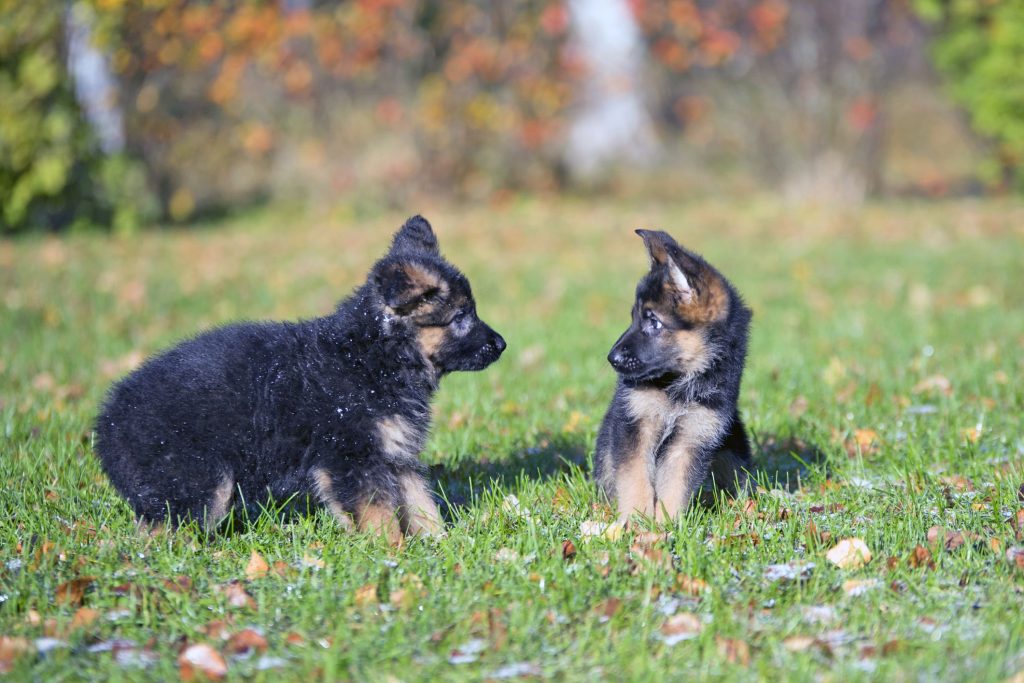
Puppies have plenty of energy, but their bodies are still developing. They generally benefit from several short periods of activity rather than long, demanding exercise sessions.
Adult dogs often have the highest exercise capacity, depending on their breed and health.
Senior dogs may still benefit greatly from regular movement, but they may need shorter and gentler activities as they age.
Breed
Breed can have a major influence on exercise requirements.
Some dogs were bred for activities such as herding, hunting, or working and may naturally have high energy levels. These dogs often need more physical activity and mental stimulation.
Other breeds may be more comfortable with shorter walks and less demanding activities.
However, breed is only one factor. Individual dogs within the same breed can have very different energy levels.
Health and Fitness
A dog’s health and current fitness level should also be taken into account.
Dogs with joint problems, respiratory issues, heart conditions, obesity, or other health concerns may need a modified exercise routine.
If your dog has a medical condition or you aren’t sure how much exercise is appropriate, your veterinarian can help you determine a safe level of activity.
Personality
Some dogs seem ready to play all day, while others are naturally more relaxed.
Pay attention to your dog’s behavior. A dog that constantly wants to play, wanders around restlessly, or becomes destructive may need additional activity or enrichment.
On the other hand, a dog that regularly struggles during exercise may be doing too much.
Signs Your Dog May Need More Exercise
Dogs that don’t receive enough physical or mental stimulation can sometimes develop unwanted behaviors.
Possible signs include:
- Restlessness
- Excessive barking
- Destructive chewing
- Digging
- Constantly seeking attention
- Difficulty settling down
- Excessive excitement
- Weight gain
These behaviors don’t automatically mean your dog needs more exercise. Anxiety, boredom, training issues, and medical problems can cause similar changes.
However, increasing appropriate physical activity and mental stimulation may help if your dog’s needs aren’t currently being met.
Signs Your Dog May Be Getting Too Much Exercise
More exercise isn’t always better.
If your dog regularly shows signs of exhaustion or discomfort during or after activity, their routine may be too demanding.
Watch for:
- Excessive or prolonged panting
- Reluctance to continue
- Limping
- Stiffness
- Difficulty getting up afterward
- Unusual tiredness
- Changes in behavior following exercise
If your dog repeatedly shows these signs, reduce the intensity of activity and speak with your veterinarian, particularly if the symptoms are new or persistent.
Exercise for Puppies
Puppies need plenty of opportunities to play and explore, but their developing bodies require special consideration.
Short walks, gentle play, basic training, and supervised exploration can provide useful activity without putting excessive strain on growing joints.
Avoid forcing a young puppy to participate in long or strenuous exercise sessions. Gradually increase activity as your puppy grows and develops.
Your veterinarian can also provide guidance based on your puppy’s age, breed, and individual development.
Exercise for Senior Dogs
Older dogs still benefit from staying active.
Regular gentle movement can help them maintain mobility and prevent them from becoming completely sedentary. However, senior dogs may not be able to handle the same level of activity they did when they were younger.
Shorter walks, gentle play, and low-impact activities can be good options.
If your senior dog begins limping, struggles to stand, or seems reluctant to exercise, consult your veterinarian. These changes can sometimes indicate pain or an underlying health problem.
Walking Isn’t the Only Form of Exercise
Walking is one of the easiest ways to exercise your dog, but it isn’t the only option.
You can add variety to your dog’s routine with activities such as:
Fetch
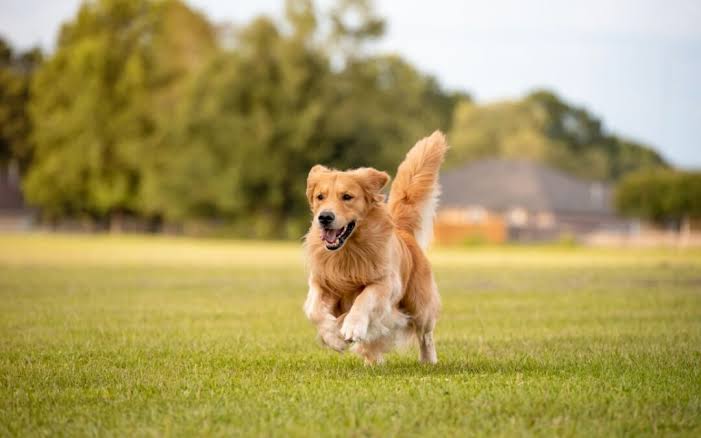
Playing fetch can provide short bursts of running and allow your dog to release energy.
Swimming
Swimming can provide physical activity while putting less impact on the joints than some other forms of exercise. However, always supervise your dog around water.
Hiking
For dogs that enjoy exploring, hiking can combine physical activity with mental stimulation from new sights and smells.
Playtime
Games such as tug, fetch, and chase can add activity throughout the day.
Training
Training sessions aren’t just about teaching commands. They also require your dog to think and concentrate, providing valuable mental stimulation.
Mental Exercise Matters Too
Physical exercise is only part of keeping your dog stimulated.
Dogs also need opportunities to use their brains. A dog can receive plenty of physical activity and still become bored if their routine lacks mental stimulation.
Try incorporating:
- Puzzle toys
- Scent games
- Hide-and-seek
- Short training sessions
- New walking routes
- Food-dispensing toys
- Supervised exploration
Even a few minutes of mental activity can make a difference, particularly for intelligent or high-energy dogs.
Adjust Exercise to the Weather
Weather conditions can affect how safely your dog can exercise.
During hot weather, consider exercising during cooler parts of the day and providing access to fresh water. Avoid pushing your dog through intense activity when temperatures are high.
You should also be careful about hot pavement, which can potentially burn your dog’s paw pads.
During cold or wet weather, your dog’s tolerance will depend on their coat, size, age, and individual health.
If conditions aren’t suitable for a long outdoor walk, indoor play and training can help keep your dog active.
Creating a Balanced Exercise Routine
A good exercise routine doesn’t have to be complicated.
You could combine several activities throughout the day, such as:
- A morning walk
- Short training sessions
- Indoor or outdoor play
- An afternoon walk
- A puzzle toy or scent game
The exact routine will depend on your dog’s needs.
Consistency is generally more useful than trying to give your dog one extremely long exercise session followed by several inactive days.
The Bottom Line
There is no universal amount of exercise that every dog needs. Many healthy adult dogs benefit from regular daily activity, but the right amount depends on their age, breed, health, fitness level, and individual energy level.
Walking, playing, training, swimming, hiking, and other activities can all contribute to your dog’s daily exercise.
The most important thing is to provide regular activity while paying attention to how your dog responds. A balanced routine can help your dog stay physically active, mentally stimulated, and engaged in everyday life.