How to keep your cat’s teeth clean is an important part of maintaining your cat’s overall health. Taking care of your cat’s teeth combined with regular veterinary checkups, can help support good oral health and make it easier to spot problems early. This is article will answer the question that is asked from new owners: how to keep your cat’s teeth clean
Why Is Dental Care Important for Cats?
Cats can develop plaque, a sticky film that forms on the teeth. If plaque isn’t removed, it can harden into tartar.
Over time, dental problems can contribute to:
- Bad breath
- Red or swollen gums
- Discomfort while eating
- Difficulty chewing
- Loose or damaged teeth
- Reduced appetite
Some cats may continue eating normally even when they have dental discomfort, so regular checks are important.
How To Keep Your Cat’s Teeth Clean?
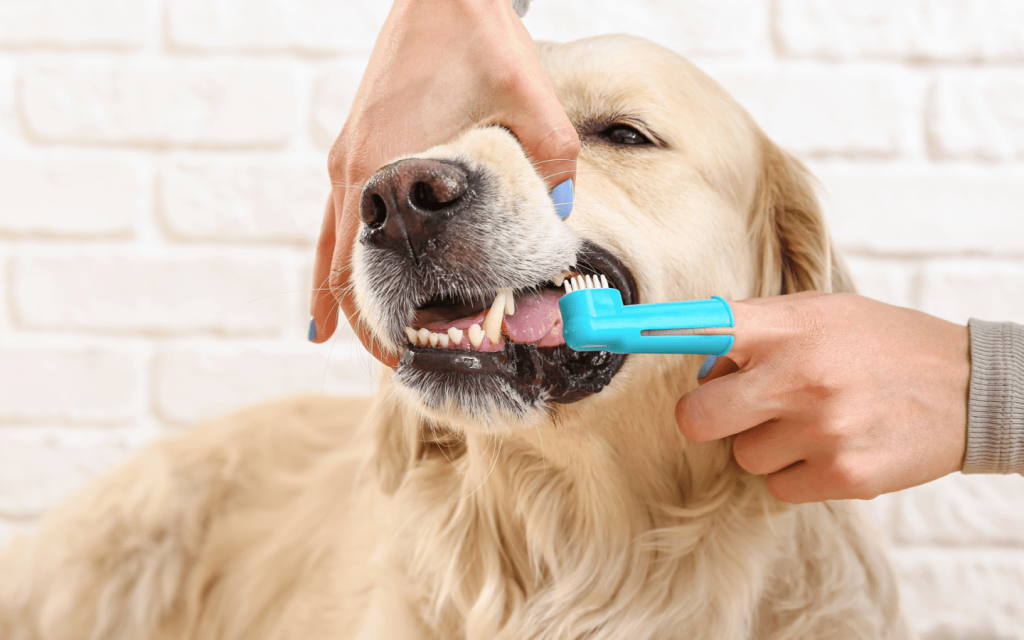
One of the most effective ways to answer’s to the: “How to keep you cat’s teeth clean” is regular tooth brushing with products specifically designed for cats.
However, not every cat will immediately accept having their teeth brushed. If your cat isn’t accustomed to it, introduce the process gradually. However it is very important that you do so.
Other parts of a good dental-care routine include:
- Regular tooth brushing
- Veterinary dental examinations
- Providing appropriate dental products
- Monitoring your cat’s teeth and gums
- Paying attention to changes in eating or behavior
How to Brush Your Cat’s Teeth
Brushing your cat’s teeth may seem difficult at first, but introducing it gradually can make the process easier.
1. Let Your Cat Get Used to Being Touched
Before introducing a toothbrush, gently touch your cat’s face and mouth.
You can start by briefly lifting their lip and touching the outside of their teeth. Reward calm behavior and keep the sessions short.
2. Introduce Cat-Safe Toothpaste
Use toothpaste specifically formulated for cats.
Never use human toothpaste unless a veterinarian specifically tells you to do so. Some ingredients found in human products can be unsafe for cats.
Allow your cat to taste a small amount of the cat-safe toothpaste before attempting to brush.
3. Introduce the Toothbrush
Once your cat is comfortable with having their mouth handled, introduce a toothbrush designed for pets.
Let your cat inspect it before using it.
4. Brush Gently
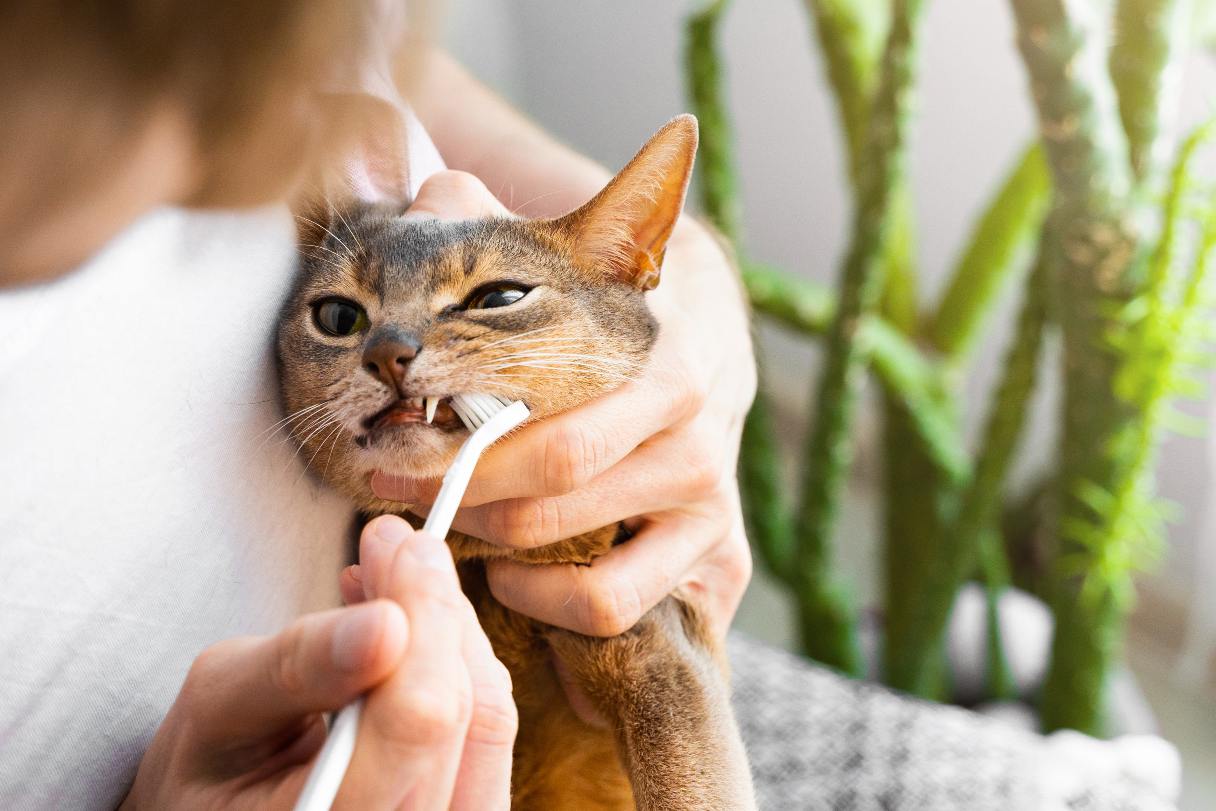
Lift your cat’s lip and gently brush the outer surfaces of the teeth.
You don’t need to force your cat’s mouth open. Start with a few teeth and gradually increase the amount you brush as your cat becomes more comfortable.
5. Keep Sessions Short
You don’t need to spend a long time brushing your cat’s teeth.
A short, gentle session that your cat tolerates is better than forcing a long session that makes them fearful or stressed.
How Often Should You Brush Your Cat’s Teeth?
Ideally, cats should have their teeth brushed regularly. Daily brushing can provide the most consistent plaque control, but even brushing several times a week can be useful if your cat doesn’t initially tolerate daily brushing.
The most important thing is to establish a routine that you and your cat can maintain.
If your cat strongly resists brushing, speak with your veterinarian about other options for supporting their dental health.
What If Your Cat Won’t Let You Brush Their Teeth?
Not every cat will cooperate with tooth brushing.
If your cat becomes stressed or aggressive when you attempt to brush their teeth, don’t force the process.
Instead, introduce each step gradually over multiple sessions. You may also discuss alternative dental-care products with your veterinarian.
Some cats may tolerate dental wipes, specially designed dental products, or other approaches more easily than a toothbrush.
Signs Your Cat May Have Dental Problems
Knowing the warning signs of dental disease can help you recognize problems early.
Watch for:
- Bad breath
- Red or swollen gums
- Excessive drooling
- Difficulty chewing
- Dropping food while eating
- Pawing at the mouth
- Eating less than usual
- Avoiding hard food
- Loose or damaged teeth
- Swelling around the mouth or face
Cats don’t always show obvious signs of dental pain, so changes in eating habits or behavior can be particularly important.
If you notice any of these symptoms, contact your veterinarian.
Don’t Ignore Bad Breath
A mild change in breath can happen, but persistent or particularly unpleasant breath shouldn’t simply be ignored.
Bad breath can be a sign of plaque buildup, tartar, gum problems, or other dental issues. If your cat’s breath remains unusually strong or you notice other changes in their mouth, arrange a veterinary examination.
Regular dental care can help you notice changes before they become more serious.
The Bottom Line
Keeping your cat’s teeth clean is an important part of their overall care. Regular brushing, appropriate dental products, and veterinary checkups can help support your cat’s oral health.
Start slowly if your cat isn’t used to having their teeth brushed. With patience and positive reinforcement, many cats can gradually become more comfortable with a regular dental-care routine.
If you notice persistent bad breath, swollen gums, difficulty eating, loose teeth, or other signs of dental problems, contact your veterinarian for advice. This article should properly give you all the adequate advice, pointers etc on “How to keep you cat’s teeth clean”