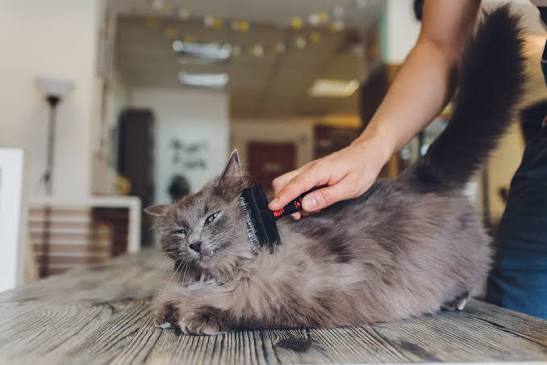
Brushing is an important part of caring for many cats. Regular brushing can help remove loose hair, reduce tangles, keep the coat looking healthy, and give you an opportunity to check your cat’s skin for anything unusual.
How often should you brush your cat? The answer depends largely on their coat type, shedding, and individual grooming needs.
How often you should brush your cat depends largely on their coat type. A short-haired cat may only need brushing occasionally, while a long-haired cat may benefit from daily grooming.
How Often Should You Brush Your Cat?
There isn’t one brushing schedule that works for every cat.
When deciding how often should you brush your cat, consider their coat type, shedding, and individual grooming needs.
As a general guide:
- Short-haired cats: Once or twice a week may be enough for many cats.
- Medium-haired cats: Several brushing sessions per week can help prevent tangles.
- Long-haired cats: Daily brushing may be necessary to keep the coat free of mats.
Some cats shed more than others, so you may need to brush more frequently during periods of heavier shedding.
The best approach is to look at your cat’s coat and adjust their grooming routine accordingly.
Why Is Brushing Important?
Regular brushing provides several benefits beyond simply making your cat’s coat look good.
Removes Loose Hair
Brushing removes loose fur before your cat has a chance to shed it around the house or swallow as much of it while grooming themselves.
Helps Prevent Mats
Long and thick coats can become tangled. Regular brushing helps prevent small tangles from developing into painful mats.
Once a mat becomes tightly packed, it can be difficult to remove without causing your cat discomfort.
Reduces Hair Around the Home
Brushing won’t eliminate shedding completely, but it can help collect loose hair before it ends up on your furniture, bedding, and floors.
Lets You Check Your Cat’s Skin
Grooming gives you a chance to look for changes such as:
- Redness
- Scabs
- Lumps or bumps
- Parasites
- Dry or irritated skin
- Unusual areas of hair loss
If you notice something unusual or a skin problem that doesn’t improve, contact your veterinarian.
Do Short-Haired Cats Need to Be Brushed?
Yes. Short-haired cats generally require less grooming than long-haired cats, but brushing can still be beneficial.
A quick brushing session once or twice a week can help remove loose hair and give you an opportunity to check their skin and coat.
Some short-haired cats may shed heavily and benefit from more frequent brushing, particularly during seasonal changes.
Do Long-Haired Cats Need Daily Brushing?
Many long-haired cats benefit from daily brushing.
Long fur is more likely to become tangled and matted, particularly around areas such as the:
- Chest
- Belly
- Legs
- Behind the ears
- Around the tail
Regular brushing helps prevent these areas from becoming difficult to manage.
If your cat already has significant mats, don’t simply pull or cut them out yourself. Tight mats can be painful and may be difficult to remove safely. A veterinarian or experienced professional groomer can advise you on the safest approach.
What Type of Brush Should You Use?
The right grooming tool depends on your cat’s coat.
Some common options include:
- Soft-bristle brushes: Useful for many short-haired cats.
- Slicker brushes: Can help remove loose hair and work through some tangles.
- Undercoat brushes: Useful for cats with thick or dense coats.
- Wide-tooth combs: Can help gently work through longer fur and prevent tangles.
Choose a brush that is appropriate for your cat’s coat and comfortable for them to use.
How to Brush Your Cat
If your cat isn’t used to being brushed, start slowly.
Begin with short sessions and gently brush areas where your cat is comfortable being touched. Reward calm behavior with praise or an occasional treat.
As your cat becomes more comfortable, gradually increase the length of each session.
Avoid brushing aggressively or repeatedly going over sensitive areas. If your cat becomes stressed, take a break and try again later.
When Should You Brush Your Cat?
Try to choose a time when your cat is relaxed.
Brushing after playtime or when your cat is resting may make the experience easier. Keeping grooming sessions consistent can also help your cat become familiar with the routine.
If your cat has a long or thick coat, daily brushing may be easier than trying to remove several days’ worth of tangles at once.
Signs Your Cat May Need More Frequent Brushing
You may need to increase your cat’s grooming routine if you notice:
- More loose hair than usual
- Small tangles developing
- Mats forming
- Increased shedding
- Fur becoming dull or unkempt
- Your cat struggling to groom certain areas
Changes in your cat’s coat can sometimes be related to health problems. If you notice sudden changes in grooming, shedding, or coat condition, speak with your veterinarian.
The Bottom Line
How often should you brush your cat? It depends mainly on your cat’s coat type, shedding, and individual grooming needs.
Short-haired cats may only need brushing once or twice a week, while medium-haired cats may benefit from several sessions per week. Long-haired cats often need daily brushing to help prevent tangles and mats.
The key is to make brushing a comfortable and consistent part of your cat’s grooming routine. If you notice persistent skin problems, severe matting, or unusual changes in your cat’s coat, consult your veterinarian.