How to Build a Daily Routine for Dogs (With Example)
Consistency matters more than most owners realize. A solid daily routine for dogs helps your dog know what to expect, stay active, and get enough time for eating, exercise, rest, and social interaction throughout the day.
A good routine doesn’t need to follow the exact same schedule every single day. Instead, it should provide a general structure that fits your dog’s age, health, energy level, and your own lifestyle.
1. Start the Day With a Bathroom Break
Most dogs need to go outside shortly after waking up, especially puppies and older dogs. Take your dog out first thing in the morning and give them enough time to relieve themselves, which can also double as a good opportunity for a short walk or some relaxed sniffing.
Starting the day this way helps your dog settle into the rest of their morning routine with less rush and stress.
2. Feed Your Dog at Consistent Times
Try to feed your dog around the same times each day. Most adult dogs do well with one or two meals a day, while puppies typically need more frequent meals depending on their age and individual needs.
A consistent feeding schedule also makes it easier to notice changes in your dog’s appetite. If your dog suddenly refuses food or starts eating noticeably more or less than usual, it’s worth paying attention to other changes in their behavior or health as well. Always provide access to fresh, clean water throughout the day.
3. Include Daily Exercise
Exercise is a core part of any daily routine for dogs, and the right amount depends on factors like breed, age, size, health, and energy level. A routine might include:
- Morning walks
- Short play sessions
- Fetch
- Training games
- Afternoon walks
- Evening outdoor time
- Supervised off-leash activity where appropriate
Exercise doesn’t always have to mean one long walk. Several shorter activities spread throughout the day can work just as well for many dogs.
4. Make Time for Mental Stimulation
Physical exercise is only part of keeping your dog occupied. Dogs also need regular opportunities to use their brains. You can build mental stimulation into your dog’s routine through:
- Basic obedience training
- Puzzle toys
- Treat-searching games
- Scent games
- Learning new tricks
- Food puzzles
- Interactive play
Research summarized by Embark Veterinary suggests that inadequate mental stimulation can predispose dogs to behavioral issues like reactivity and separation anxiety, so even a few minutes of training can give your dog something productive to focus on each day.
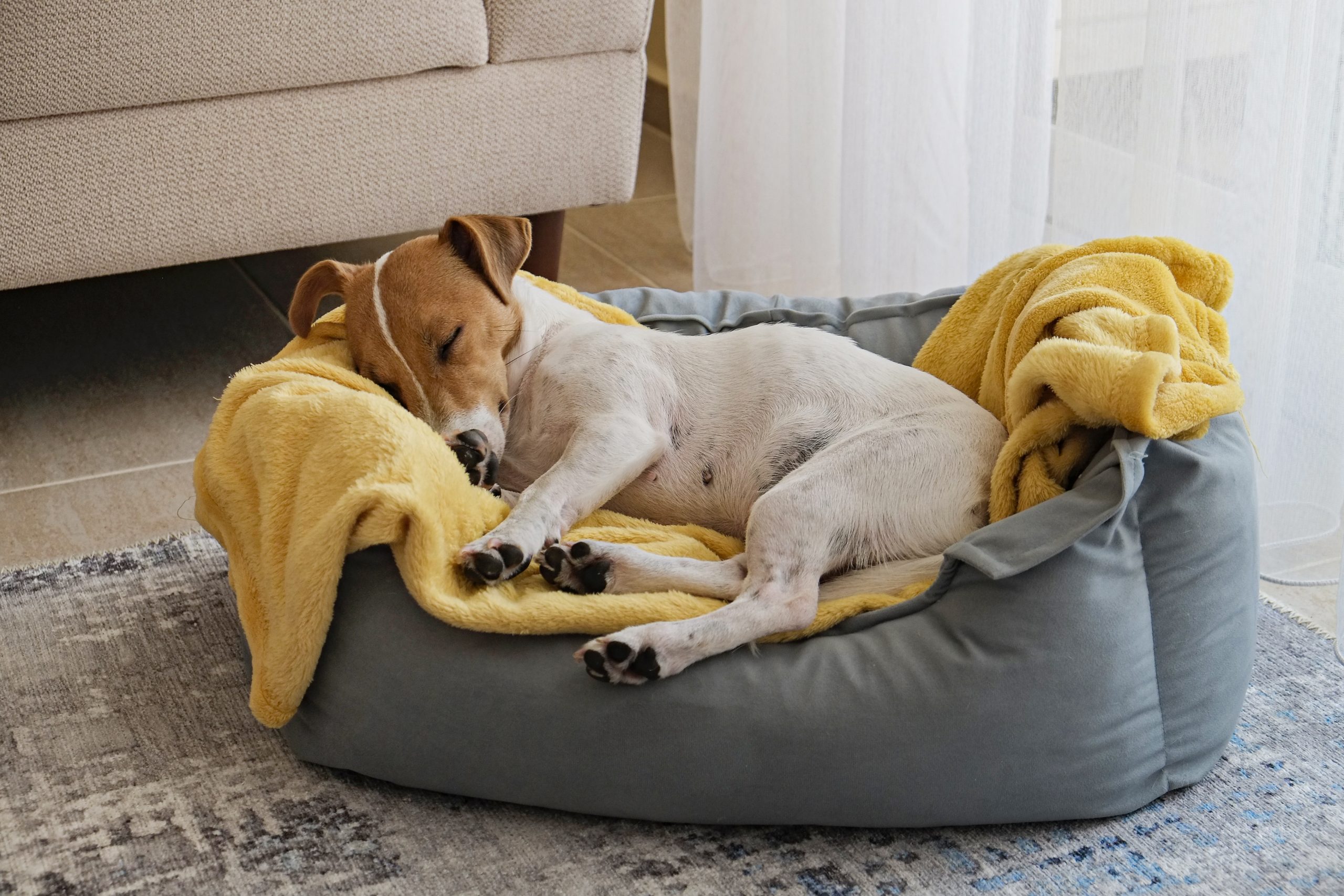
5. Give Your Dog Plenty of Rest
Dogs spend a significant amount of time sleeping and resting, and puppies, senior dogs, and some individual dogs need even more of it. Make sure your dog has a comfortable, quiet place where they can sleep without being constantly disturbed.
A packed schedule with too much exercise, play, or stimulation can actually leave some dogs overtired rather than happier. Rest deserves a real place in any daily routine for dogs, not just an afterthought.
6. Schedule Regular Bathroom Breaks
Don’t wait until your dog is desperate to go outside. Try to provide regular bathroom opportunities throughout the day, with the right frequency depending on your dog’s age, health, and individual needs.
Puppies generally need more frequent bathroom breaks because they have less bladder control, and older dogs may also need to go out more often. Changes in bathroom habits, particularly sudden increases in urination, accidents, difficulty urinating, or unusual bowel movements, should be discussed with a veterinarian.
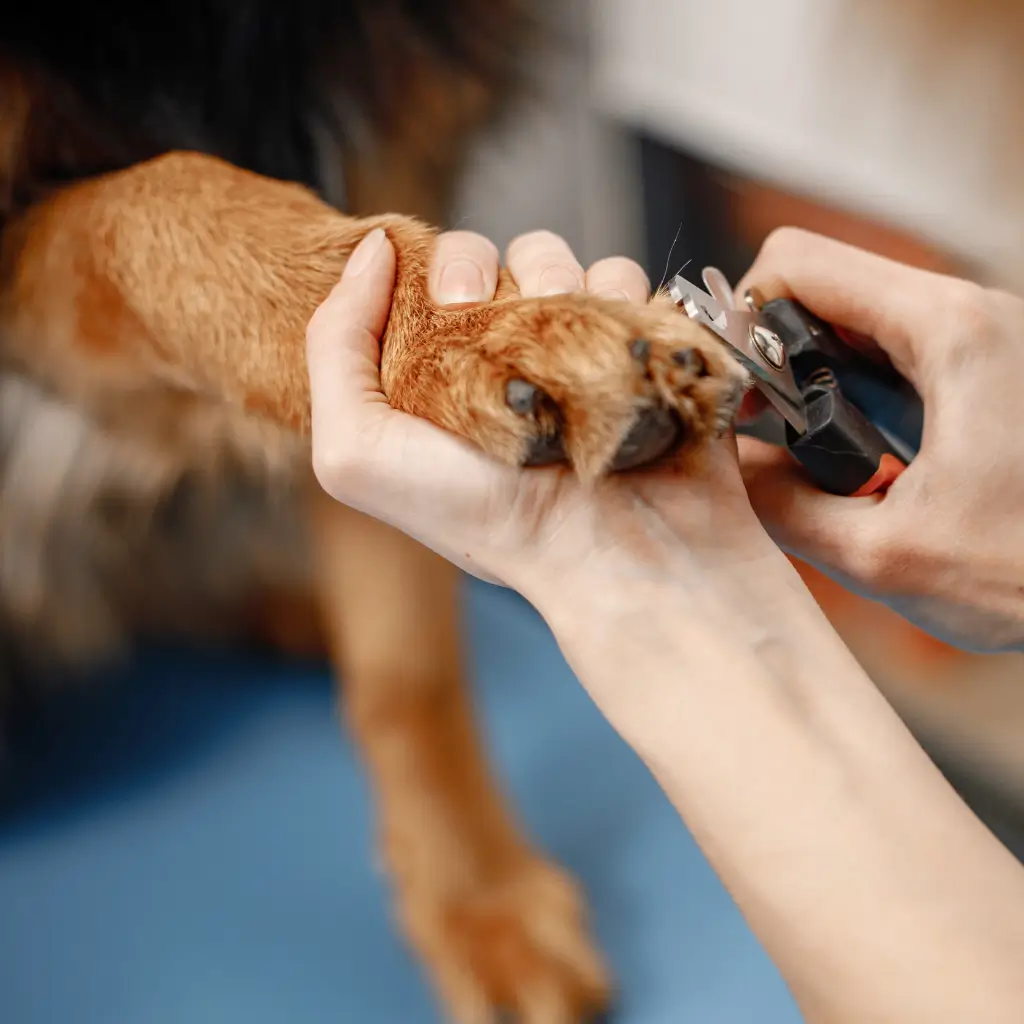
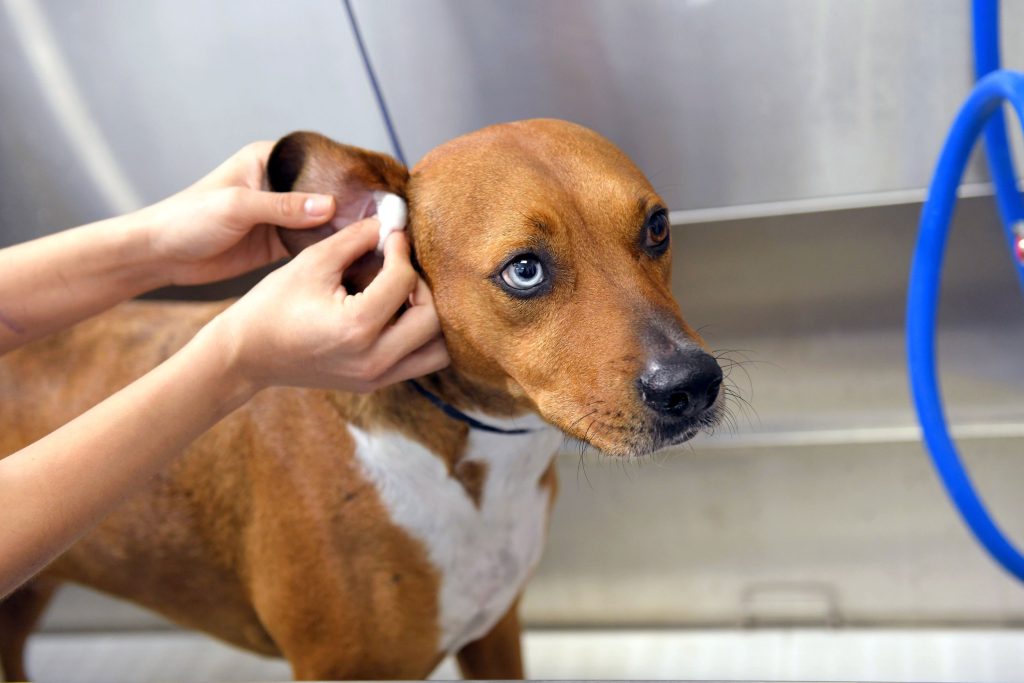
7. Set Aside Time for Grooming
Grooming doesn’t need to be a long daily session, but incorporating small grooming tasks into your routine helps you keep track of your dog’s condition. Depending on your dog, this might include:
- Brushing their coat
- Checking their paws
- Looking at their ears
- Checking their nails
- Cleaning around their eyes when necessary
- Checking their coat for unusual lumps, irritation, or parasites
Regular handling also helps your dog become more comfortable with grooming and routine examinations, including trips to the vet.
8. Include Social Time
Dogs are social animals, and many genuinely enjoy spending time with their owners and other suitable dogs. Social time could involve:
- Playing together
- Going for a walk
- Training
- Sitting together
- Visiting appropriate dog-friendly environments
- Spending time with familiar people or animals
How much social interaction each dog wants can vary quite a bit. Some dogs are highly social, while others genuinely prefer a quieter environment.
9. Create an Evening Routine
A predictable evening routine helps your dog settle down before bedtime. For example, your evening might include:
- Dinner
- Quiet play or interaction
- A short walk
- Relaxation time
- Final bathroom break
- Bedtime
Keeping the final part of the day relatively calm helps your dog transition smoothly from activity to rest.
10. Adjust the Routine to Your Dog
There’s no single daily routine for dogs that works for every dog. A young, energetic dog may need considerably more activity than an older one. A puppy usually needs more frequent bathroom breaks and meals, while a senior dog may benefit from shorter walks and additional rest.
Pay attention to how your dog responds to their routine. Signs you may need to make adjustments include:
- Excessive restlessness
- Destructive behavior
- Difficulty settling down
- Persistent attention-seeking
- Unusual tiredness
- Changes in appetite
- Changes in bathroom habits
- Reluctance to exercise
If you notice sudden or persistent changes in your dog’s behavior or physical condition, speak with a veterinarian.
Example Daily Routine for a Dog
Here’s an example of what a structured day could look like:
| Time | Activity |
|---|---|
| 7:00 AM | Bathroom break and morning walk |
| 7:30 AM | Breakfast and fresh water |
| 8:00 AM | Rest |
| 12:00 PM | Bathroom break and short play session |
| 1:00 PM | Rest |
| 4:00 PM | Walk or mental stimulation |
| 6:00 PM | Dinner |
| 7:00 PM | Play and family time |
| 9:00 PM | Relaxation |
| 10:00 PM | Final bathroom break and bedtime |
This is only an example. Your dog’s actual schedule should be adjusted according to their individual needs and your household’s rhythm.
Tips for Keeping Your Dog’s Routine Consistent
You don’t need to follow a schedule down to the minute. Instead, focus on keeping the major parts of your dog’s day relatively predictable. A few simple habits can help:
- Feed your dog around the same times each day
- Keep regular exercise periods
- Provide frequent bathroom opportunities
- Schedule time for play and mental stimulation
- Give your dog a consistent place to rest
- Maintain regular grooming and veterinary care
- Adjust the routine as your dog’s needs change
It’s also worth building some flexibility into the routine, since dogs should be able to handle occasional changes such as travel, visitors, or a different walking time.
The Bottom Line
A good daily routine for dogs balances food, exercise, mental stimulation, bathroom breaks, social interaction, grooming, and rest. The ideal schedule depends on your individual dog rather than any strict formula.
Start with a basic structure and adjust it based on your dog’s age, energy level, health, and behavior. A consistent routine makes everyday life more predictable for both of you, while also making it much easier to notice when something about your dog’s normal habits changes.
Dogs thrive on consistency. Having a predictable daily routine can help your dog know what to expect, stay active, and get enough time for eating, exercise, rest, and social interaction.
A good routine does not have to follow the exact same schedule every day. Instead, it should provide a general structure that fits your dog’s age, health, energy level, and your lifestyle.
1. Start the Day With a Bathroom Break
Most dogs need to go outside shortly after waking up, especially puppies and older dogs.
Take your dog outside first thing in the morning and give them enough time to relieve themselves. This can also be a good opportunity for a short walk or some relaxed sniffing.
Starting the day this way can help your dog settle into the rest of their morning routine.
2. Feed Your Dog at Consistent Times
Try to feed your dog around the same times each day.
Most adult dogs do well with one or two meals per day, while puppies often need more frequent meals depending on their age and individual needs.
A consistent feeding schedule can also make it easier to notice changes in your dog’s appetite. If your dog suddenly refuses food or starts eating much more or less than usual, it may be worth paying attention to other changes in their behavior or health.
Always provide access to fresh, clean water throughout the day.
3. Include Daily Exercise
Exercise is an important part of your dog’s daily routine. The amount your dog needs depends on factors such as breed, age, size, health, and energy level.
A routine might include:
- Morning walks
- Short play sessions
- Fetch
- Training games
- Afternoon walks
- Evening outdoor time
- Supervised off-leash activity where appropriate
Exercise does not always have to mean a long walk. Several shorter activities throughout the day can work well for many dogs.
4. Make Time for Mental Stimulation
Physical exercise is only part of keeping your dog occupied. Dogs also need opportunities to use their brains.
You can add mental stimulation to your dog’s routine through:
- Basic obedience training
- Puzzle toys
- Treat-searching games
- Scent games
- Learning new tricks
- Food puzzles
- Interactive play
Even a few minutes of training can give your dog something productive to focus on.
5. Give Your Dog Plenty of Rest
Dogs spend a significant amount of time sleeping and resting. Puppies, senior dogs, and some individual dogs may need even more rest.
Make sure your dog has a comfortable, quiet place where they can sleep without being constantly disturbed.
A busy schedule with too much exercise, play, or stimulation can leave some dogs overtired rather than happier. Rest should be considered an important part of the daily routine.
6. Schedule Regular Bathroom Breaks
Don’t wait until your dog is desperate to go outside.
Try to provide regular bathroom opportunities throughout the day. The appropriate frequency depends on your dog’s age, health, and individual needs.
Puppies generally need more frequent bathroom breaks because they have less bladder control. Older dogs may also need to go outside more frequently.
Changes in bathroom habits, particularly sudden increases in urination, accidents, difficulty urinating, or unusual bowel movements, should be discussed with a veterinarian.
7. Set Aside Time for Grooming
Grooming does not necessarily need to be a long daily session. However, incorporating small grooming tasks into your routine can help you keep track of your dog’s condition.
Depending on your dog, this might include:
- Brushing their coat
- Checking their paws
- Looking at their ears
- Checking their nails
- Cleaning around their eyes when necessary
- Checking their coat for unusual lumps, irritation, or parasites
Regular handling can also help your dog become more comfortable with grooming and routine examinations.
8. Include Social Time
Dogs are social animals, and many enjoy spending time with their owners and other suitable dogs.
Social time could involve:
- Playing together
- Going for a walk
- Training
- Sitting together
- Visiting appropriate dog-friendly environments
- Spending time with familiar people or animals
The amount of social interaction each dog wants can vary. Some dogs are highly social, while others prefer a quieter environment.
9. Create an Evening Routine
A predictable evening routine can help your dog settle down before bedtime.
For example, your evening might include:
- Dinner
- Quiet play or interaction
- A short walk
- Relaxation time
- Final bathroom break
- Bedtime
Keeping the final part of the day relatively calm can help your dog transition from activity to rest.
10. Adjust the Routine to Your Dog
There is no single daily schedule that works for every dog.
A young, energetic dog may need considerably more activity than an older dog. A puppy will usually need more frequent bathroom breaks and meals, while a senior dog may benefit from shorter walks and additional rest.
Pay attention to how your dog responds to their routine. Signs that you may need to make adjustments can include:
- Excessive restlessness
- Destructive behavior
- Difficulty settling down
- Persistent attention-seeking
- Unusual tiredness
- Changes in appetite
- Changes in bathroom habits
- Reluctance to exercise
If you notice sudden or persistent changes in your dog’s behavior or physical condition, speak with a veterinarian.
Example Daily Routine for a Dog
Here’s an example of what a structured day could look like:
| Time | Activity |
|---|---|
| 7:00 AM | Bathroom break and morning walk |
| 7:30 AM | Breakfast and fresh water |
| 8:00 AM | Rest |
| 12:00 PM | Bathroom break and short play session |
| 1:00 PM | Rest |
| 4:00 PM | Walk or mental stimulation |
| 6:00 PM | Dinner |
| 7:00 PM | Play and family time |
| 9:00 PM | Relaxation |
| 10:00 PM | Final bathroom break and bedtime |
This is only an example. Your dog’s schedule should be adjusted according to their individual needs and your household’s routine.
Tips for Keeping Your Dog’s Routine Consistent
You don’t need to follow a schedule down to the minute. Instead, focus on keeping the major parts of your dog’s day relatively predictable.
A few simple habits can help:
- Feed your dog around the same times each day.
- Keep regular exercise periods.
- Provide frequent bathroom opportunities.
- Schedule time for play and mental stimulation.
- Give your dog a consistent place to rest.
- Maintain regular grooming and veterinary care.
- Adjust the routine when your dog’s needs change.
It’s also useful to build some flexibility into the routine. Dogs should be able to handle occasional changes, such as traveling, visitors, or a different walking time.
The Bottom Line
A good daily routine gives your dog a balance of food, exercise, mental stimulation, bathroom breaks, social interaction, grooming, and rest.
The ideal schedule depends on your individual dog rather than following a strict formula. Start with a basic structure and adjust it based on your dog’s age, energy level, health, and behavior.
A consistent routine can make everyday life more predictable for both you and your dog while helping you notice when something about their normal behavior or habits changes.