Dog Paw Care: 10 Tips to Keep Your Dog’s Paws Healthy
Your dog’s paws work hard every single day. They run, play, and explore constantly, so good dog paw care is an important part of everyday pet ownership, not just something to think about after an injury.
Regular paw checks can also help you catch small problems before they become more painful or difficult to treat.
1. Check Your Dog’s Paws Regularly
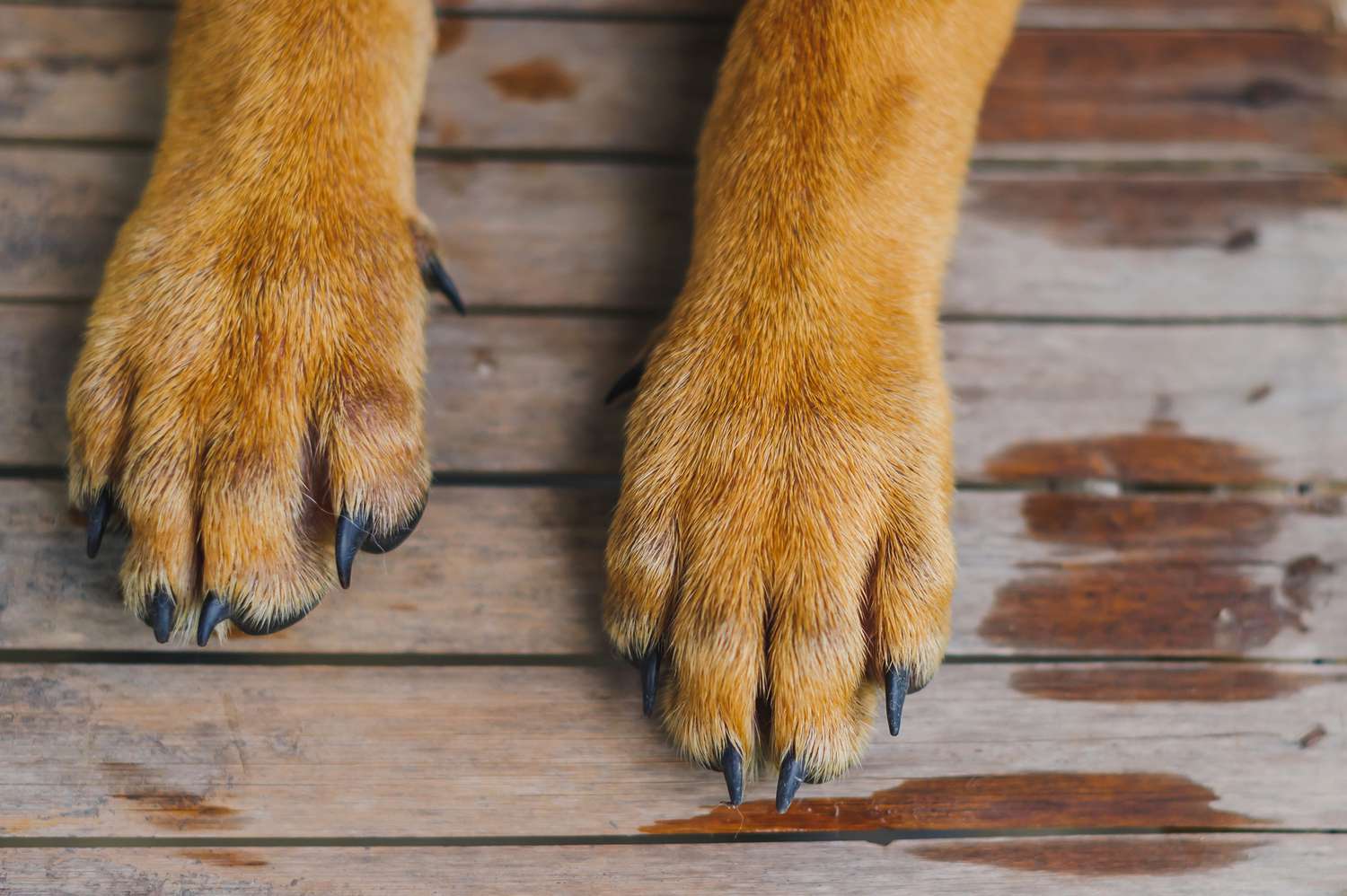
Take a few minutes to look at your dog’s paws regularly, especially after walks or outdoor activities. Check between the toes, around the paw pads, and around the nails for:
- Cuts or scratches
- Swelling
- Redness
- Cracked paw pads
- Foreign objects
- Thorns or small pieces of debris
- Broken nails
- Signs of irritation
Getting your dog used to having their paws handled from an early age is one of the simplest habits that makes ongoing dog paw care far easier.
2. Keep the Paw Pads Clean
Dirt, mud, grass, and other debris can become trapped between your dog’s toes or around their paw pads. After particularly dirty walks, gently clean your dog’s paws with a damp cloth or rinse them with clean water, then dry them thoroughly, especially between the toes.
Avoid using harsh household cleaners or products that aren’t intended for use on dogs, since some can cause irritation.
3. Pay Attention to Cracked Paw Pads
Paw pads are naturally tough, but they can still become dry, cracked, or irritated. Cracking can occur for several reasons, including exposure to rough surfaces, extreme temperatures, excessive activity, or irritation.
If you notice mild dryness, keep an eye on the area and reduce exposure to anything that seems to be irritating your dog’s paws. If the pads are deeply cracked, bleeding, swollen, or painful, contact your veterinarian rather than treating it at home.
4. Protect Paws From Hot Surfaces
Pavement and other outdoor surfaces can become extremely hot during warm weather, which makes seasonal awareness a key part of dog paw care in the summer months. Before taking your dog for a walk on a hot day, consider whether the ground is comfortable enough for their paws. If a surface is too hot for you to comfortably keep your hand against, it’s likely too hot for your dog’s paws as well.
Whenever possible:
- Walk during cooler parts of the day
- Choose shaded routes
- Use grassy areas where appropriate
- Avoid very hot pavement
- Check your dog’s paws after outdoor activity
If your dog develops painful, damaged, or blistered paw pads, seek veterinary advice.
5. Be Careful During Cold Weather
Cold weather can affect your dog’s paws too. Ice, snow, and cold surfaces can cause irritation, while substances used to treat roads and sidewalks may remain on your dog’s paws after walks.
After walking outside in cold conditions, check your dog’s paws and clean off any visible residue or debris, then dry them thoroughly before your dog settles back indoors. Dogs that spend significant amounts of time outdoors in very cold conditions may need additional protection depending on the weather and their individual circumstances.
6. Keep Your Dog’s Nails Trimmed
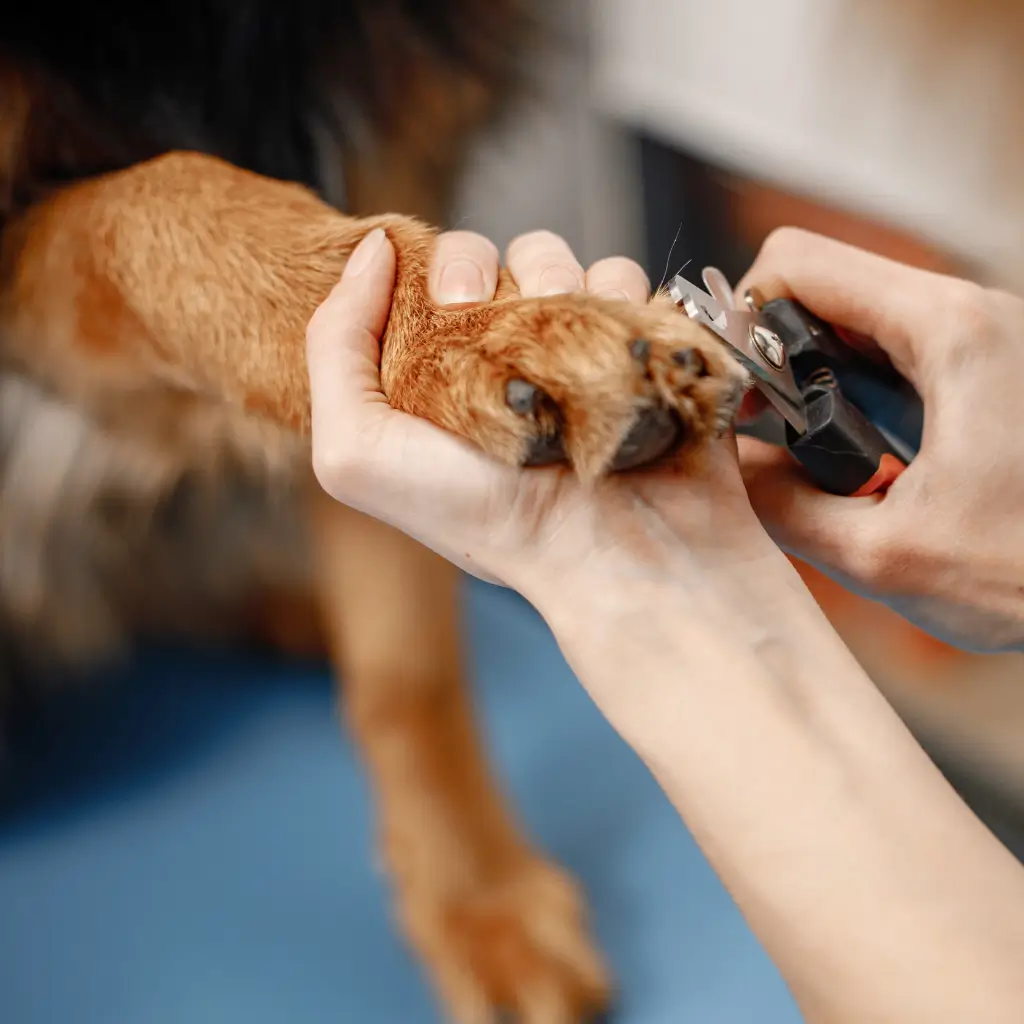
Long nails can affect the way your dog walks and may become uncomfortable or break, which is why nail care is such a core part of dog paw care. How frequently your dog’s nails need trimming varies between individuals; dogs that regularly walk on hard surfaces often wear their nails down more naturally than dogs that spend most of their time indoors or on softer ground.
According to the American Kennel Club’s guide to nail trimming, it helps to get your dog comfortable with having their paws handled early on, and to have a professional show you the process the first time if you’ve never trimmed a dog’s nails before. When trimming nails:
- Use appropriate dog nail clippers
- Remove small amounts at a time
- Avoid cutting into the quick
- Keep your dog calm and comfortable
- Stop if your dog becomes highly distressed
7. Check Between the Toes
Problems don’t always appear on the visible surface of the paw. Grass seeds, small stones, dirt, and other objects can become trapped between your dog’s toes, and long hair between the toes can also collect debris in some dogs.
Gently separate the toes during your regular checks and look for anything unusual. If you find an object that appears deeply embedded, don’t try to force it out yourself. Have your dog examined by a veterinarian instead.
8. Watch for Excessive Paw Licking
Occasional paw licking is normal, but persistent licking or chewing can indicate that something is bothering your dog. Possible causes include:
- Irritation
- An injury
- Something stuck in the paw
- Skin problems
- Allergies
- Parasites
- Pain
Pay attention to which paw your dog is licking and whether there are visible changes such as redness, swelling, hair loss, or sores. Persistent licking should be discussed with a veterinarian so the underlying cause can be identified properly.
9. Be Careful With Paw Products
There are products designed to moisturize or protect dog paw pads, but not every product on the market is appropriate for dogs. Avoid applying human skincare products, chemicals, or other substances to your dog’s paws unless your veterinarian has specifically recommended them.
Dogs naturally lick their paws, so anything applied to the area can potentially be swallowed. If your dog’s paw pads are repeatedly dry or damaged, ask your veterinarian what type of care is appropriate for their situation.
10. Introduce Paw Care Gradually
Some dogs strongly dislike having their paws touched. Instead of forcing your dog through a full paw examination or nail trim, gradually teach them that paw handling is safe.
Start by briefly touching a paw, rewarding calm behavior, and then stopping. Over time, you can gradually increase the amount of handling. This approach makes routine dog paw care noticeably less stressful and helps your dog become more comfortable with nail trimming, cleaning, and paw inspections over time.
When to Contact a Veterinarian
Minor dirt or superficial irritation can often be managed with basic cleaning and observation. However, some paw problems require professional attention. Contact your veterinarian if you notice:
- Significant swelling
- Persistent bleeding
- Deep cuts
- Severe cracks
- Burns or damaged paw pads
- A foreign object that is deeply embedded
- A broken or badly damaged nail
- Persistent limping
- Severe pain
- Repeated licking or chewing
- Signs of infection
- A paw problem that doesn’t improve
Sudden difficulty walking or severe pain should always be treated as a more urgent concern.
A Simple Paw Care Routine
You don’t need to spend a lot of time on dog paw care every day. A simple routine can include:
- After walks: Check for dirt, debris, or anything stuck between the toes
- Weekly: Examine the paw pads, nails, and spaces between the toes more carefully
- As needed: Clean dirty paws, trim nails, and address minor dryness or irritation appropriately
- Regularly: Pay attention to changes in your dog’s walking, licking, or behavior
The Bottom Line
Healthy paws are essential for your dog’s comfort and mobility. Regular checks, appropriate nail care, cleaning after messy walks, and protection from extreme surfaces can all help prevent many common paw problems.
Get your dog comfortable with having their paws handled, and make dog paw care part of their normal routine rather than an occasional afterthought. If you notice significant pain, swelling, injury, or persistent irritation, have your dog evaluated by a veterinarian.