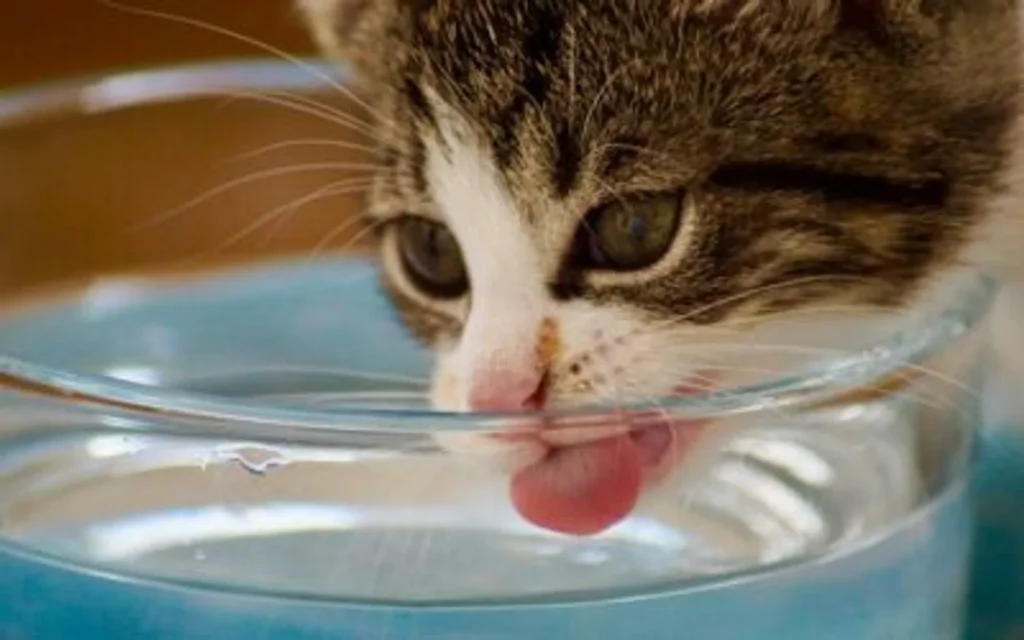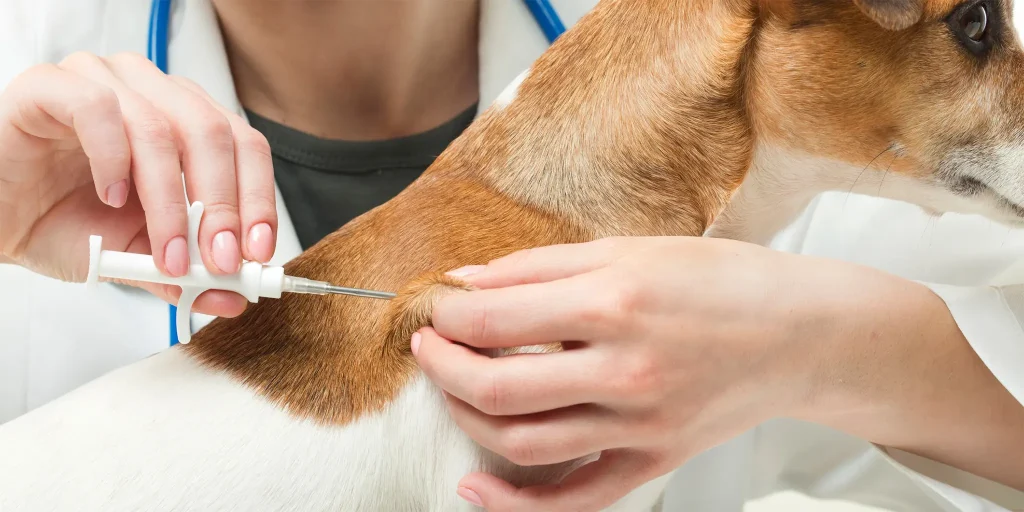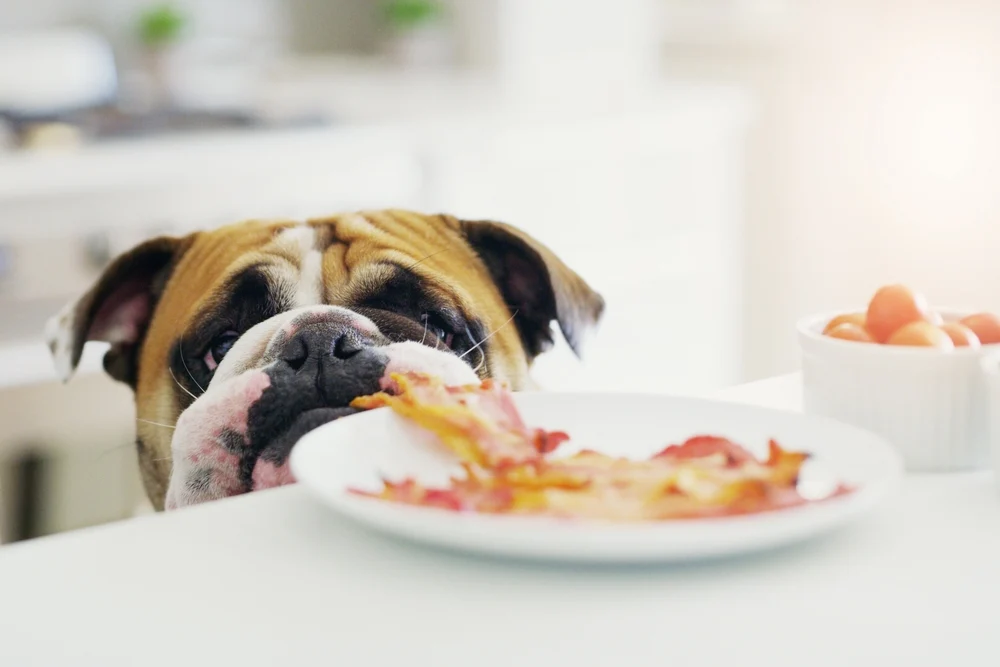
Some common human foods can be dangerous for pets. Dogs and cats are often curious about what their owners are eating, and some pets will happily grab food from a table, kitchen counter, or open trash can.
Knowing foods that are toxic to pets can help you prevent accidental poisoning and recognize when your pet may need veterinary care. Some foods are especially dangerous for dogs, while others can affect both dogs and cats.
10 Foods That Are Toxic to Pets
Many foods that are safe for people can cause serious problems for animals. The following foods that are toxic to pets should be kept safely out of your dog’s or cat’s reach.
1. Chocolate
Chocolate is one of the most well-known foods that are toxic to pets. It contains substances that dogs and cats have difficulty processing.
Dark chocolate, baking chocolate, and cocoa products generally contain higher concentrations of these compounds than milk chocolate.
Keep chocolate, cocoa powder, baked goods containing chocolate, and other chocolate products away from pets.
2. Grapes and Raisins
Grapes and raisins can cause serious health problems in dogs, including potentially severe kidney damage. The amount that can cause a reaction can vary, so it is best not to assume that a small amount is harmless.
Keep fresh grapes, raisins, and foods containing them away from pets. The ASPCA also recommends keeping grapes and raisins away from dogs because of their potential to cause kidney damage. ASPCA: People Foods to Avoid Feeding Your Pets
3. Onions and Garlic
Onions, garlic, and related ingredients can damage red blood cells in dogs and cats. They can be found in many foods, including sauces, soups, seasonings, and prepared meals.
Avoid giving pets table scraps that contain onions or garlic, and keep concentrated forms such as onion and garlic powder securely stored.
4. Foods Containing Xylitol
Xylitol is a sweetener found in some sugar-free foods and products. It can be particularly dangerous for dogs and may cause a rapid drop in blood sugar and other serious complications. The FDA warns that xylitol can be found in products such as sugar-free gum, candy, baked goods, and some nut butters.
Check ingredient labels on products before allowing your pet near them. If you suspect that your dog has consumed xylitol, contact a veterinarian or emergency veterinary service immediately.
5. Alcohol
Alcohol can be dangerous to pets even in relatively small amounts. It can be found in alcoholic drinks as well as some foods and other products.
Never intentionally give alcohol to a pet, and keep drinks, bottles, and alcohol-containing foods out of reach.
6. Caffeine
Caffeine can affect pets more seriously than it affects people. Coffee, tea, energy drinks, caffeine-containing supplements, and some other products can pose a risk.
Keep coffee grounds, tea bags, caffeinated drinks, and similar products away from curious pets.
7. Raw Yeast Dough
Raw dough containing yeast can continue to expand after it is swallowed. It can also produce alcohol as the dough ferments.
Keep rising dough away from pets, particularly when preparing homemade bread or other baked goods. The FDA lists yeast products such as raw bread dough among potentially dangerous items for pets. FDA: Potentially Dangerous Items for Your Pet
8. Macadamia Nuts
Macadamia nuts can cause illness in dogs. Symptoms may include weakness, vomiting, tremors, or difficulty walking.
Do not give macadamia nuts to your dog, and be careful with baked goods or snack mixes that contain them.
9. Foods With Excessive Salt
Large amounts of salt can be harmful to pets. Foods such as heavily salted snacks, processed foods, and some seasoning mixes can contain much more salt than pets need.
Instead of sharing salty human snacks, give your pet treats specifically intended for their species.
10. Fatty Foods and Table Scraps
Very fatty foods can cause digestive problems and may contribute to more serious conditions in some pets. Greasy leftovers, fatty meat trimmings, fried foods, and rich sauces are best avoided.
Bones and food scraps can also create additional risks, including choking or digestive problems.
The ASPCA notes that fatty foods can contribute to gastrointestinal problems and, in some cases, pancreatitis. ASPCA: People Foods to Avoid Feeding Your Pets
Other Foods That Can Be Dangerous for Pets
The foods listed above are some of the most important examples, but they are not the only potential hazards. Human foods can contain multiple ingredients, seasonings, sweeteners, or other substances that may not be safe for dogs and cats.
If you are unsure whether a particular food is safe, check the ingredients and speak with your veterinarian before giving it to your pet.
For additional information about potentially dangerous foods and household substances, the FDA provides a detailed guide for pet owners. FDA: Dangers for Pets
How to Keep Foods That Are Toxic to Pets Away From Them
Preventing accidental ingestion is often easier than dealing with a pet poisoning emergency. A few simple habits can make your kitchen safer:
- Store potentially dangerous foods in closed cabinets or containers.
- Don’t leave food unattended on countertops or tables.
- Keep trash cans securely covered.
- Teach children not to share food with pets without permission.
- Check ingredient labels before giving your pet human food.
- Keep pets away from food preparation areas when necessary.
- Clean up spills and dropped food promptly.
- Remember that guests may not know which foods are unsafe for your pet.
- Keep potentially toxic foods away from bags, backpacks, and other places where curious pets may investigate.
What to Do If Your Pet Eats Something Toxic
If your pet eats one of the foods that are toxic to pets, don’t wait for symptoms to appear before taking the situation seriously.
Try to determine what your pet ate, approximately how much was consumed, and when it happened. Keep the food packaging or ingredient list if possible, as this information can help a veterinarian determine the appropriate response.
Contact your veterinarian or an emergency veterinary service promptly for guidance. Do not make your pet vomit unless a veterinary professional specifically tells you to do so.
If your pet is showing severe symptoms such as difficulty breathing, seizures, collapse, severe weakness, or loss of consciousness, seek emergency veterinary care immediately.
Signs of Possible Pet Poisoning
Depending on the food involved and the amount consumed, symptoms of pet poisoning can vary.
Potential warning signs can include:
- Vomiting
- Diarrhea
- Weakness
- Tremors
- Excessive drooling
- Difficulty walking
- Changes in appetite
- Unusual behavior
- Difficulty breathing
- Seizures
- Collapse
Symptoms can sometimes take time to appear, so don’t assume that your pet is safe simply because they initially seem normal after eating something potentially toxic.
When in doubt, contact a veterinary professional for advice.
The Bottom Line
Knowing foods that are toxic to pets can help you protect your dog or cat from accidental poisoning. Chocolate, grapes and raisins, onions and garlic, xylitol, alcohol, caffeine, raw yeast dough, macadamia nuts, excessive salt, and fatty foods can all pose risks to pets.
Keep potentially dangerous foods securely stored, avoid sharing unfamiliar human foods, and check ingredient labels before giving treats to your pet.
If your pet accidentally eats something potentially toxic, contact your veterinarian promptly and follow their instructions. Quick action can be important when dealing with pet poisoning.