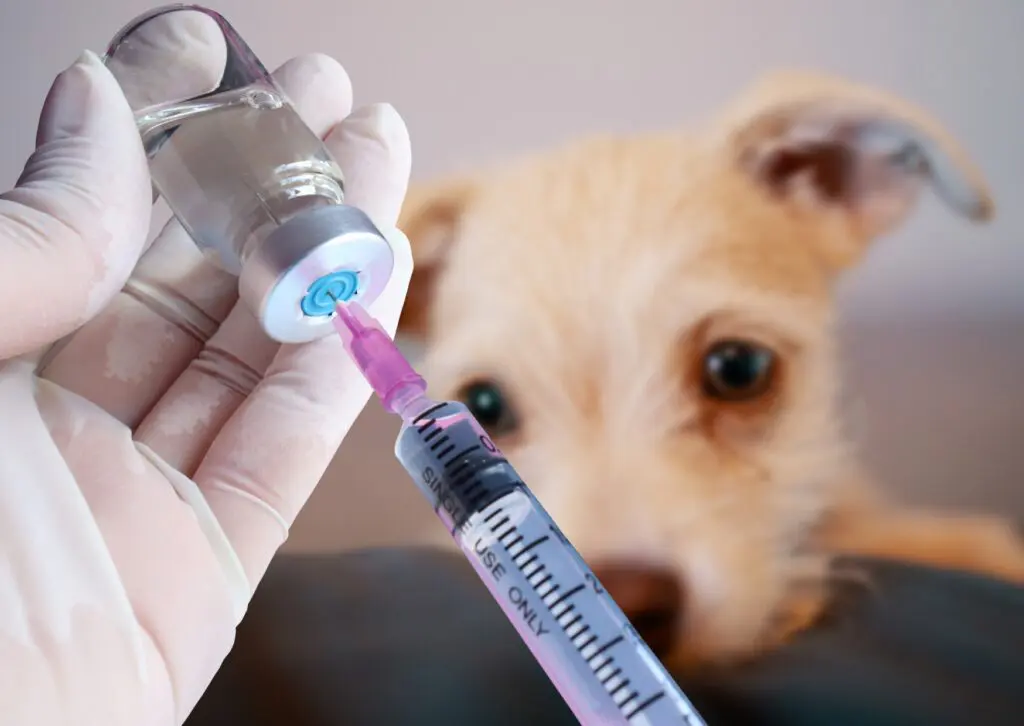
Mosquitoes don’t discriminate, and on a warm New Hampshire evening they’ll bite whatever’s nearby, including your dog or cat. That single bite is all it takes to pass along heartworm disease, a condition that can seriously damage your pet’s heart and lungs if left unchecked.
The reassuring part is that keeping your pet safe from heartworm is straightforward, affordable, and backed by decades of veterinary research.
Here’s what we’ll cover:
- What heartworm prevention actually does for dogs
- Whether cats need protection too
- The different prevention formats on the market
- Why year-round dosing matters, even in New Hampshire winters
- How safe these medications really are
Not Just a Dog Problem: Heartworm and Cats

Many pet owners assume heartworm is strictly a canine issue. That’s a myth worth clearing up right away. Any mosquito bite carries risk, so both cats and dogs need a prevention strategy tailored to them.
The culprit is a parasite called Dirofilaria immitis. Once a mosquito passes it along through a bite, the worms travel through the bloodstream and settle into the heart, lungs, and surrounding vessels. From there, they multiply and cause damage that can range from mild to catastrophic.
This isn’t a disease limited to humid southern states. Cases have been documented in every U.S. state, including here in New Hampshire, where warmer, wetter summers have made mosquito season longer than many residents realize. Cats tend to show fewer obvious symptoms than dogs, which can make heartworm harder to catch early, and unfortunately there’s no approved heartworm treatment for cats once they’re infected. That makes prevention the only real safeguard for our feline patients.
The American Heartworm Society maintains detailed, regularly updated guidance for pet owners, and it’s worth a look if you want to understand the bigger picture of risk and prevention.
Choosing a Prevention Method That Fits Your Pet
There’s no single “best” heartworm product. The right choice depends on your pet’s temperament, your budget, and how easily you can stick to a schedule. Here’s a rundown of the main categories.
1. Monthly Chewable Tablets
These flavored chews are a favorite among dog owners because they’re easy to give and often doubling as treats. Most are dosed monthly and also guard against common intestinal parasites like roundworm and hookworm, which are worth watching for in a region with plenty of wooded trails and wildlife.
2. Topical Monthly Applications
Applied directly to the skin, these are a solid alternative for pets that won’t tolerate pills, and they’re frequently used for cats. Many topical products bundle in flea protection as well, which is handy during the buggier stretches of a New Hampshire summer.
3. Long-Acting Injectable (Dogs Only)
Given by a veterinarian, this option can protect a dog for six months to a full year depending on the formulation. It’s a good fit for owners who travel often or simply want one less monthly task to remember
How Safe Are These Products, Really?
No medication is entirely without risk, but FDA-approved heartworm preventatives have been studied extensively and have strong safety track records. Side effects are uncommon, and when they occur, they’re typically mild.
Correct dosing matters more than people sometimes realize. Products are formulated by weight range, so always check the label matches your pet’s size rather than assuming one product fits all pets equally. If you’re ever uncertain about a specific medication, a dosing schedule, or whether it’s time to switch formats, that’s exactly the kind of question our veterinarians are happy to answer.
The Bottom Line for Local Pet Owners
Heartworm disease is serious, potentially fatal, and entirely preventable with the right approach. Between the mosquito activity we see across the region during warmer months and the way pests can linger indoors through milder winters, New Hampshire pets face real exposure risk throughout the year.
Annual heartworm testing paired with consistent monthly or scheduled prevention gives your pet the strongest defense available.
Frequently Asked Questions
Do indoor-only cats in Peterborough still need heartworm prevention?
Yes. Mosquitoes regularly find their way indoors through open doors, screens, or gaps in windows, so indoor cats in Peterborough and the surrounding area still face exposure risk and benefit from monthly protection.
Which heartworm prevention option costs the least?
Monthly oral chew ables are generally the most budget-friendly choice, though exact pricing depends on your pet’s weight and the specific brand your veterinarian recommends.
Is a heartworm injection better than a monthly pill?
Both are effective when used as directed. The injection offers longer-lasting convenience, while monthly pills give owners more flexibility to adjust or pause under veterinary guidance.
Can I purchase heartworm prevention without visiting a vet first?
Most reputable products require a prescription along with a recent negative heartworm test, and we don’t recommend unproven home remedies like garlic or essential oils, since there’s no scientific evidence they work.
What should I do if I forget to give a dose?
Give the missed dose as soon as you remember and call your veterinary team for guidance, since skipped doses can lower your pet’s protection and may require a follow-up test before restarting.
Read More Here:
The Best Cities For Traveling With Dogs in 2026
Pet Insurance Waiting Periods: How Long Before Coverage Starts?
Much more to read HERE
We are not a licensed insurance agency. Insurance offerings are provided by CompareCoverage, NPN 20753534 and CA License # 6011227. © 2026 CompareCoverage. All Rights Reserved.