Choosing the right food for your pet can be confusing, especially when you’re deciding between wet food and dry food. Wet food vs dry food for pets is a common question among dog and cat owners because both types can provide important nutrients while offering different benefits.
The best choice depends on your pet’s age, health, preferences, activity level, and overall diet. Understanding the differences between wet and dry food can help you make a more informed decision.
What Is Dry Pet Food?
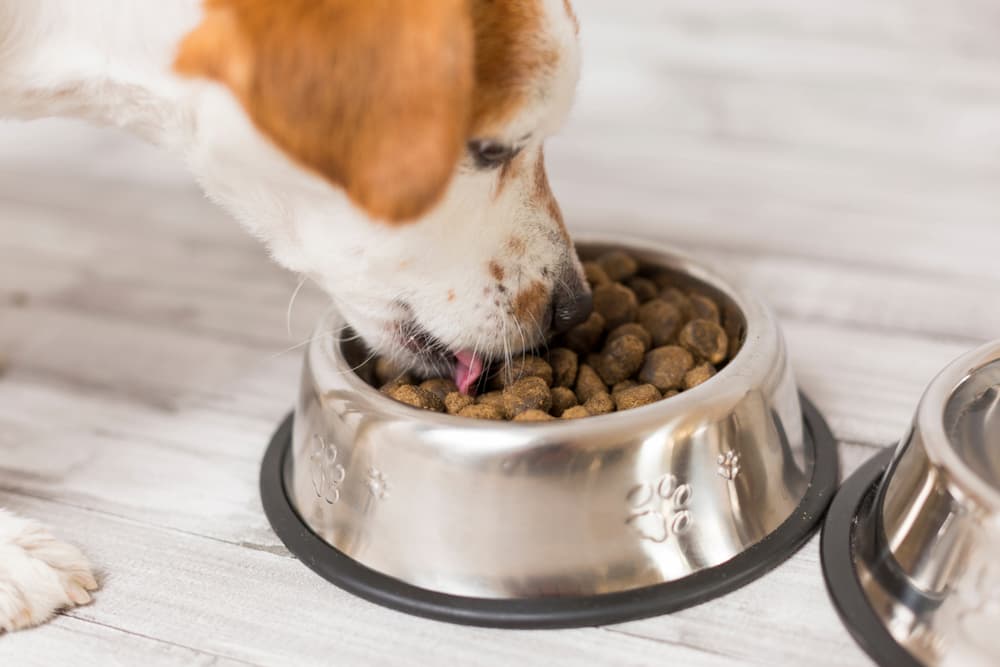
Dry pet food, often called kibble, is made by combining ingredients into a nutritionally balanced formula and processing them into small pieces.
One of the biggest advantages of dry food is convenience. It is easy to measure, store, transport, and serve. It also tends to have a longer shelf life once opened compared with wet food.
Dry food can also be useful for pets that prefer to graze throughout the day, although portion control is still important.
What Is Wet Pet Food?
Wet food contains significantly more water than dry food and is typically sold in cans, trays, or sealed pouches.
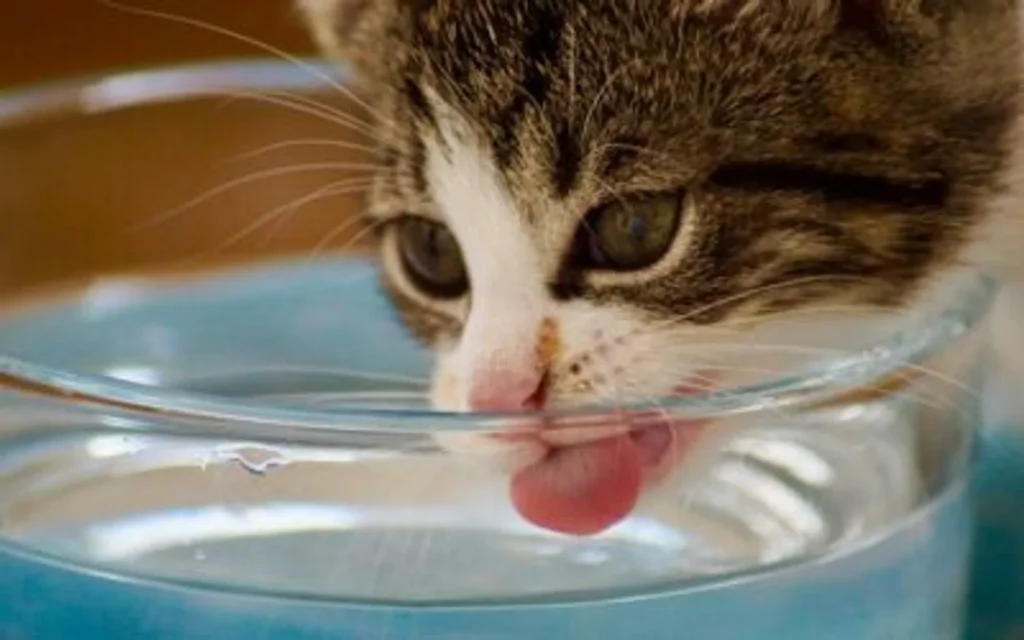
Its higher moisture content can help increase a pet’s overall water intake. This can be particularly useful for pets that don’t naturally drink much water.
Many pets also find wet food more appealing because of its stronger smell and softer texture.
Wet Food vs Dry Food for Pets: Key Differences
When comparing wet food vs dry food for pets, there are several important differences to consider.
| Feature | Wet Food | Dry Food |
|---|---|---|
| Water content | High | Low |
| Storage | Requires more care after opening | Easy to store |
| Shelf life after opening | Shorter | Longer |
| Texture | Soft and moist | Crunchy |
| Portion control | Can be easy to overfeed | Easy to measure |
| Convenience | Requires refrigeration after opening | Very convenient |
| Palatability | Often highly appealing | Varies by pet |
Neither type is automatically better for every pet. The nutritional quality of the specific food and how well it meets your pet’s individual needs are more important than whether the food is wet or dry.
Benefits of Wet Food
Wet food can offer several advantages for dogs and cats.
Higher Water Content
Because wet food contains a large amount of water, it can contribute to your pet’s daily fluid intake.
This can be especially helpful for pets that don’t drink enough water on their own.
For cats in particular, wet food can be one way to increase dietary water intake. The Cornell Feline Health Center notes that wet cat food can contain up to about 80% water and can contribute to a cat’s overall water intake.
Often More Appealing
The stronger aroma and softer texture can make wet food attractive to picky eaters or pets with reduced appetites.
Easier to Eat
Soft food may be easier for some pets to eat, particularly those with dental discomfort or difficulty chewing.
Benefits of Dry Food
Dry food also has several practical advantages.
Convenient to Serve
Kibble is easy to measure and serve without preparation. It is particularly convenient for owners who need to feed their pets on a consistent schedule.
Easy to Store
An unopened bag can be stored for a relatively long time when kept in a cool, dry place. Once opened, it is also easier to handle than wet food.
Easy Portion Control
Because dry food is concentrated and easy to measure, owners can accurately control portions when following the feeding guidance on the packaging.
Wet Food vs Dry Food for Pets: Can You Feed Both?
Yes. Many pets can eat a combination of wet and dry food as part of a balanced diet.
Combining the two can provide the moisture and texture of wet food while retaining the convenience of dry food.
However, the total amount of food still matters. If you add wet food to your pet’s usual dry food without adjusting the portions, you may accidentally provide more calories than your pet needs.
When feeding both types, consider the calorie content of each food and adjust portions accordingly.
Which Is Better for Dogs?
Both wet and dry food can be appropriate for dogs when the food is complete and balanced for their nutritional needs.
Dry food may be more convenient for owners who want easy storage and portioning, while wet food can be useful for dogs that prefer softer food or need additional moisture in their diet.
When considering wet food vs dry food for dogs, your dog’s individual nutritional requirements, health, preferences, and lifestyle should help determine the most appropriate option.
Which Is Better for Cats?
Both wet and dry food can also be appropriate for cats.
Wet food can be particularly useful for increasing water intake because cats often have a relatively low thirst drive. Dry food, meanwhile, is convenient and can work well for cats that prefer its texture.
Some cats do well with a combination of both.
When considering wet food vs dry food for cats, hydration, nutritional requirements, preferences, and any existing health conditions should all be considered.
What Should You Look for When Choosing Pet Food?
Regardless of whether you choose wet or dry food, pay attention to the nutritional information on the package.
Look for food that is:
- Appropriate for your pet’s species
- Suitable for their life stage
- Complete and balanced for their nutritional needs
- Appropriate for their calorie requirements
- Stored and handled according to the package instructions
AAFCO recommends selecting pet food appropriate for the animal’s species, life stage, and condition and checking the nutritional adequacy statement on the package.
Your pet’s age, size, activity level, and health can all affect which food is appropriate.
The AAFCO guide to selecting the right pet food provides additional information about nutritional adequacy statements, feeding directions, and choosing an appropriate diet.
The World Small Animal Veterinary Association also provides Global Nutrition Guidelines and resources to help pet owners understand pet-food labels and make informed nutrition decisions.
Should You Change Your Pet’s Food?
If you decide to switch from wet to dry food, dry to wet food, or from one brand or formula to another, a gradual transition is generally easier on your pet’s digestive system.
Changing food suddenly can cause digestive upset in some pets. Follow the feeding guidance for the new food and transition gradually over several days unless your veterinarian recommends otherwise.
If your pet develops persistent digestive problems after a food change, speak with your veterinarian.
Wet Food vs Dry Food for Pets: Which Should You Choose?
There is no single choice that is right for every pet. Wet food provides substantially more moisture and may be more appealing to some animals, while dry food is convenient, easy to measure, and simple to store.
Consider your pet’s nutritional requirements, hydration, preferences, lifestyle, and health when deciding between the two. For some pets, feeding both wet and dry food can also be an appropriate option.
The Bottom Line
Wet food vs dry food for pets ultimately comes down to your individual pet’s needs. Both options can provide important nutrients when they are properly formulated and fed in appropriate amounts.
Wet food provides more moisture and may be appealing to pets that prefer softer textures, while dry food offers convenience, easy storage, and simple portion measurement.
For many pets, either option—or a combination of both—can work well. The most important consideration is choosing a nutritionally appropriate food and feeding the right amount for your individual pet.