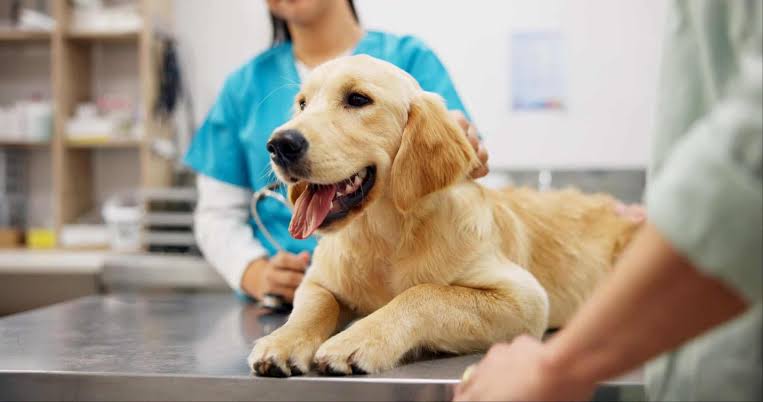
Pet insurance benefits can include financial protection against unexpected veterinary bills, coverage for eligible illnesses and injuries, and help with certain routine veterinary expenses. Read more about cost saving and the other benefits to having pet insurance
1. Pet Insurance Benefits: How Coverage Can Save You Money
One of the biggest benefits of pet insurance is financial protection against unexpected veterinary bills. Pet insurance can reimburse you for a portion of eligible veterinary expenses, depending on your coverage, deductible, reimbursement rate and annual or lifetime limits.
Pet insurance premiums vary based on factors such as your pet’s species, breed, age, location and the type of coverage you choose. Although paying a monthly premium is an ongoing expense, a single serious illness, accident or injury can result in thousands of dollars in veterinary costs.
For example, an ACL injury, which is common in many dog breeds, may require expensive surgery and follow-up treatment. Chronic conditions such as allergies, diabetes and arthritis can also require ongoing veterinary care and medication.
What Does Pet Insurance Cover?
Depending on the policy, pet insurance may cover a wide range of accidents, illnesses and veterinary treatments, including:
- Spaying and neutering
- ACL surgery
- Cherry eye surgery
- Poisoning
- Broken bones
- Bowel obstruction removal
- Hunting injuries
- Allergies
- Diabetes
- Thyroid disease
- Epilepsy
- Skin conditions
- Urinary tract infections
- Hip dysplasia
- Arthritis
- Glaucoma
- Age-related illnesses
- Prosthetic devices
- Alternative pet medicine
Coverage varies significantly between pet insurance companies and plans. Always review the policy’s exclusions, waiting periods, deductibles and reimbursement limits before purchasing coverage.

2. Pet Insurance Can Help Cover Emergency Veterinary Care
Pet emergencies can happen at any time. Your cat could eat a toxic plant late at night, or your dog could suffer an unexpected injury when your regular veterinarian is closed.
Emergency veterinary care can be expensive, especially when your pet requires diagnostic testing, surgery, medication or hospitalization. Depending on your policy, pet insurance can help reimburse eligible emergency veterinary expenses.
Coverage may apply when your pet receives treatment from an emergency veterinary clinic, your regular veterinarian or another eligible veterinary facility.
Having pet insurance can therefore help reduce the financial impact of unexpected emergencies while allowing you to focus on getting your pet the care they need.
3. Pet Insurance May Cover Cancer Diagnosis and Treatment
Cancer is one of the serious health conditions that can affect dogs and cats, particularly as they get older.
Diagnosing and treating cancer can involve significant veterinary expenses. Depending on the type of cancer and treatment required, costs may include diagnostic imaging, biopsies, chemotherapy, medications, specialized treatments and follow-up appointments.
Many comprehensive pet insurance plans provide coverage for eligible cancer-related expenses when the condition is not pre-existing and the policy’s requirements are met.
If you’re considering pet insurance, check whether the policy covers cancer treatment and look carefully at exclusions, waiting periods and coverage limits.
4. Some Pet Insurance Plans Cover Routine Veterinary Care
Not all pet insurance coverage is limited to accidents and illnesses. Some providers offer optional wellness plans that can help pay for certain routine and preventative veterinary services.
Depending on the plan, wellness coverage may include:
- Annual wellness exams
- Vaccinations
- Parasite prevention and treatment
- Dental cleanings
- Routine diagnostic testing
- Preventative treatments
Routine veterinary visits can help identify potential health problems early and keep your pet up to date on important preventative care.
It’s important to distinguish between standard accident-and-illness pet insurance and optional wellness coverage, as routine care is not automatically included in every policy.
5. Pet Insurance May Help With Behavioral Conditions
Some pets develop behavioral conditions that require professional evaluation or treatment. Anxiety, compulsive behaviors, destructive behavior and other issues may require more than basic obedience training.
Depending on the provider and policy, pet insurance may cover certain behavioral consultations, veterinary treatment or medications.
For example, a dog experiencing separation anxiety may benefit from professional behavioral support. If behavioral treatment is included in your policy, insurance may help offset some of these veterinary expenses.
Because behavioral coverage differs between plans, check the policy details to determine which conditions and treatments qualify.
6. Some Pet Insurance Policies Cover Euthanasia
End-of-life care is something most pet owners hope they won’t have to think about, but it can eventually become part of caring for an elderly, seriously ill or suffering pet.
Some pet insurance policies may cover euthanasia when it is associated with a covered illness or condition. Certain plans may also provide coverage for related end-of-life expenses.
Coverage varies by insurance provider and policy, so check the terms of your plan to understand whether euthanasia and other end-of-life services are covered.
7. Pet Insurance Can Make Veterinary Expenses Easier to Budget For
Unexpected veterinary bills can be difficult to plan for. You could put money into a savings account each month, but a serious accident or illness could cost more than you’ve managed to save.
Pet insurance provides another way to prepare for potentially expensive veterinary care. Instead of paying the entire cost of an eligible procedure yourself, you pay a regular premium and are responsible for your deductible and other applicable out-of-pocket costs. Your insurance provider then reimburses eligible expenses according to the terms of your policy.
Your actual costs will depend on factors such as your monthly premium, deductible, reimbursement percentage, coverage limits and excluded treatments.
For some pet owners, this predictable approach can make budgeting for pet healthcare easier and provide greater financial protection against large, unexpected veterinary bills.
About the Author