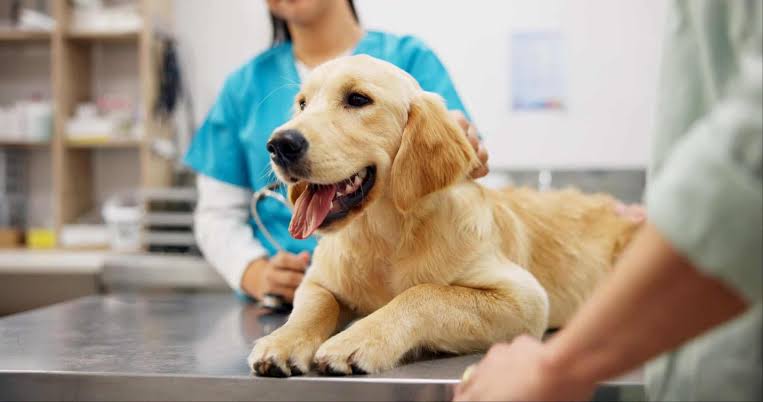
The three main types of pet insurance are comprehensive for accident and illness, accident-only for injuries and accidents, and basic wellness care which are add-ons for routine care all of these are mentioned in this comprehensive pet insurance guide. More than 4.8 million pets are covered by one of these pet insurance types, which can help reimburse veterinarian bills and keep your furry friend healthy and happy.
Each type of pet insurance includes different coverage, so you’ll want to pick the one that best meets your needs for effective pet healthcare management.

Types of Pet Insurance
Comprehensive pet insurance provides the broadest coverage for your beloved pet and may be called accident and illness coverage. If your companion is injured or develops an illness, this insurance helps you shoulder the financial burden of nose-to-tail treatment. If you own an exotic pet, you can find more information here
The most common medical conditions among dogs include urgent illnesses like ear infections, bladder infections, vomiting, and diarrhea. Common chronic conditions include diabetes, allergies, kidney disease, and arthritis.
Most plans will only help reimburse the cost of chronic conditions if you have pet insurance before your pet is diagnosed with the chronic condition. Some plans exclude conditions like cancer. And even if it is currently covered, some providers won’t continue coverage of the chronic condition at renewal, instead deeming it a pre-existing condition. Ask before buying.
Inclusions in Comprehensive Pet Insurance Coverage
While the exact terms vary from one insurer to another, comprehensive plans usually provide reimbursement for any surprising incident, including:
- Accidents: Such as bite wounds, swallowed objects, broken bones
- Chronic conditions: Such as cancer, arthritis, and diabetes
- Common illnesses: Such as skin infections and urinary tract infections
- Behavioral problems: including excessive licking or destructive chewing
- Dental care: Including root canals, broken teeth, periodontal disease
- Diagnostic testing: X-rays, CT scans, MRIs, and blood work.
- Prescription medications and supplements
Breed-specific, inherited conditions such as hip dysplasia and heart disease may be covered, but many plans don’t cover these conditions as they’re considered “pre-existing.”3
Exclusions in Comprehensive Pet Insurance Coverage
As comprehensive as this insurance is, it doesn’t cover everything. Most policies may contain dozens of exclusions. Here are some standard exclusions:
- Pre-existing conditions or conditions occurring during the waiting period
- Breeding and pregnancy
- Deliberate injury by you or someone in your home
- Cosmetic procedures
- Cloning
- Procedures and treatments deemed not medically necessary
- Grooming and boarding
Accident-Only Pet Insurance
Accident-only coverage excludes illnesses. Vet bills can add up quickly after an injury or accident. If your pet can’t get a comprehensive pet insurance plan due to age or health or if you need more affordable pet insurance, an accident-only policy may be a good fit.
What’s Included in Accident-Only Pet Insurance
This plan typically includes all diagnostic tests, treatment, surgery, exam fees, and prescription medication for emergency vet care due to an accident.
Here are some common mishaps covered by an accident-only plan:
- Swallowing a foreign object or something toxic
- Laceration
- Heat stroke
- Breaking a bone
- Bee sting
- Getting hit by a car
Accident-Only Pet Insurance Exclusions
Accident insurance doesn’t cover illnesses or inherited conditions. Other exclusions often include:
- Breed-specific conditions
- Cancer
- Dental illness
- Pre-existing conditions
- Behavioral care
- Routine checkups
Pet Wellness and Preventive Care Insurance Options
Wellness and preventive care coverage is typically sold as an add-on product (or “rider”) to one of the two insurance types above. It’s not exactly an insurance product, but a plan that reimburses you at a flat rate for routine checkups and preventive care.
In 2021, the average cost of routine medical care was $225 for a dog and $160 for a cat.4 To help with these costs, some pet parents opt for wellness and preventative care coverage.
Inclusions in Pet Wellness Insurance
These plans include routine care, such as:
- Wellness exams
- Vaccinations and titers
- Microchipping
- Parasite prevention
- Dental cleanings
- Deworming
- Fecal tests
- Urinalysis
Many wellness plans are offered in tiers with different procedure coverages. For example, spaying and neutering is not included on some basic wellness plans and requires an upgrade to a premium level of coverage.
Exclusions in Pet Wellness Insurance
Wellness and preventative care plans are about keeping your dog or cat healthy through routine care and excludes emergencies, illnesses and injuries. More basic plans will have longer lists of exclusions.
Common exclusions include:
- Pregnancy
- Cosmetic and elective surgeries
- Grooming and nail trimming
- Chronic conditions
Pet Insurance: What To Look For
When reviewing plans, pay close attention to how claims are handled for reimbursement, including waits.
You’ll also likely be able to choose the following for comprehensive and injury-only plans:
- Annual limit: The upper limits of your annual reimbursement, which may range from $2,500 to unlimited amounts
- Percentage of reimbursement:How much you’ll be reimbursed for a vet bill or procedure; often ranges from 70% to 90%
- Deductibles:You can set a higher deductible to reduce the costs of your plan; it ranges from $50 to $1,000.
Also, carefully how each plan addresses the following:
- Coverage:Conditions, illnesses, injuries, exams, and procedures covered.
- Constraints: Including waiting periods, pre-existing condition coverage, and exclusions
- Veterinarian choice: Network or your choice?
- Overall costs:Discounts available and fees charged.
How Do Pet Insurance Companies Know About Pre-Existing Conditions?
When you’re applying for pet insurance, you may be required to get a veterinary examination or submit information about your pet’s medical history. It’s essential to be honest about any pre-existing conditions during this preliminary stage so you don’t commit insurance fraud.
Is Pet Insurance Tax Deductible?
Pet insurance is not tax-deductible, generally speaking. However, you may be able to deduct costs associated with a guide dog or other service animal if used to assist a person with physical or hearing disabilities or visual impairment, or hearing disabilities. According to the IRS, this includes “any costs,” such as food, grooming, and veterinary care. Speak with a tax professional before trying to claim a tax deduction for a service animal. For more information continue reading here
When Should I Get Pet Insurance?
Since many pet insurance policies have a waiting period, the sooner you enroll your pet, the better. In addition, your animal is less likely to have pre-existing conditions when younger. Consider purchasing this insurance as soon as you bring your new pet home.
Do Pet Insurance Premiums Go Up With Age?
Most major pet insurance companies increase premiums as your pet ages. However, not all of them do, so check with your insurer to see if your policies will go up. You can also review the impact by gathering online quotes using increased ages.
Bottom Line
Pet insurance can help cover the cost of unexpected veterinarian bills. If you’re looking for coverage, consider which of the three main types of pet insurance is right for you: comprehensive, accident-only, or wellness. Then remember that not all plans are created equal, so it’s essential to read the fine print before making a final decision.
About the Author