Why Do Cats Scratch Furniture and How Can You Stop It?
Scratching is a completely normal behavior for cats, but that doesn’t make it any less frustrating when it’s your sofa on the receiving end. Understanding why do cats scratch furniture in the first place is the key to solving the problem for good.
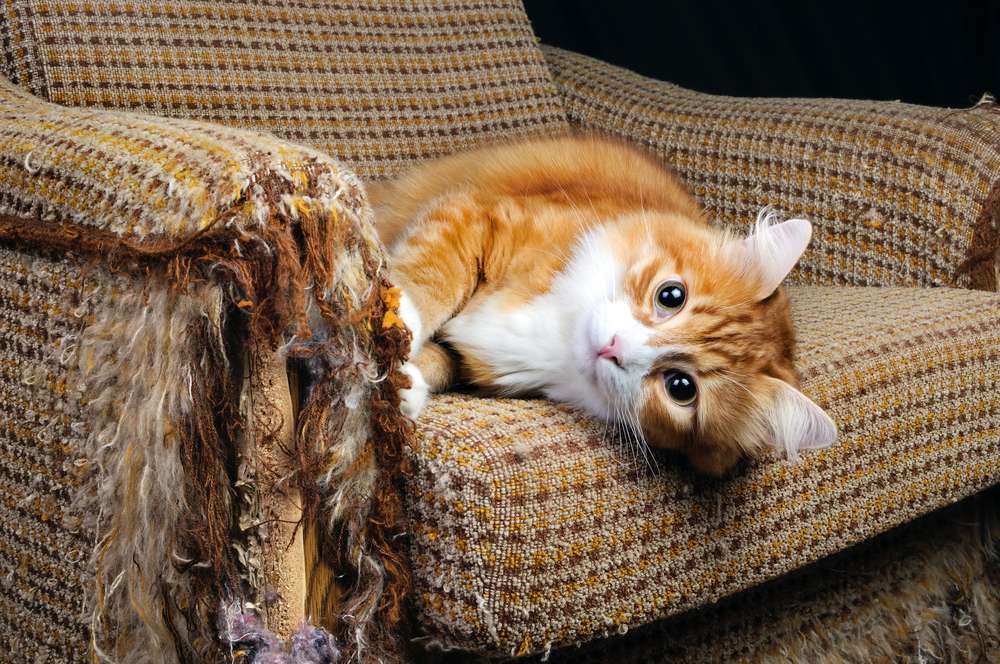
Scratching helps cats stretch, maintain their claws, mark territory, and release energy. The problem is that cats don’t always choose a scratching post on their own. Sofas, carpets, curtains, door frames, and other furniture can become just as appealing as anything designed for the purpose.
Rather than trying to eliminate scratching altogether, the real goal is to give your cat appropriate places to scratch and make those options more appealing than the couch.
Why Do Cats Scratch?
Understanding why cats scratch can make the behavior much easier to manage. Cats may scratch to:
- Maintain their claws
- Stretch their bodies
- Exercise their muscles
- Mark territory
- Leave visual and scent signals
- Release excitement or frustration
- Relieve boredom
In other words, scratching is a natural part of feline behavior, not simply a bad habit that needs correcting.
Why Do Cats Scratch Furniture Specifically?
Furniture is often appealing because it has the right texture and stability. A sofa, for example, offers a large vertical surface that doesn’t move when a cat digs its claws in.
Furniture is also frequently located in the areas where the family spends the most time. According to the Cornell Feline Health Center, scratching is largely a marking behavior that deposits scent from glands in a cat’s paws, so scratching a well-used piece of furniture lets a cat mark an important part of its environment.
If your cat repeatedly targets one specific piece of furniture, that particular location and texture is likely especially appealing to them.
1. Provide a Scratching Post
One of the simplest ways to address why do cats scratch furniture is to offer an appropriate alternative. Choose a scratching post or surface that is:
- Tall enough for your cat to stretch fully
- Stable enough that it won’t tip over
- Made from a texture your cat enjoys
- Easy for your cat to access
Some cats prefer vertical scratching posts, while others gravitate toward horizontal scratching pads. If you’re unsure what your cat likes, offering more than one type can help you figure out their preference.
2. Put the Scratching Post in the Right Place
Placement matters just as much as the post itself. If your cat scratches the sofa, tucking a scratching post away in another room likely won’t solve the problem.
Instead, place an appropriate scratching surface close to the area your cat already likes to scratch. You can gradually relocate it later, once your cat is consistently using it.
3. Make the Scratching Area Interesting
A scratching post only works if your cat actually wants to use it. Placing it near areas your cat already spends time in helps build familiarity, and toys or treats nearby can create a positive association with the space.
Never force your cat’s paws onto the scratching surface. Let them investigate and use it on their own terms.
4. Offer Different Textures
Cats can have strong preferences when it comes to scratching surfaces. Some prefer rough materials like sisal, while others lean toward softer or more fibrous textures.
If your cat ignores one scratching post, that doesn’t mean they dislike scratching posts altogether. They may simply prefer a different texture or shape, so it’s worth trying a few options to see what works.
5. Reward Appropriate Scratching
Whenever you catch your cat using their scratching post or pad, reinforce it with treats, praise, or play. This helps your cat associate the scratching surface with something positive.
Consistency matters here. Everyone in the household should respond to good scratching habits the same way.
6. Protect Furniture Temporarily
While your cat is learning to use their designated scratching area, you can make unwanted surfaces less appealing in the meantime. Depending on the furniture, you might:
- Cover the scratched area
- Rearrange furniture
- Temporarily block access
- Place a scratching surface directly beside it
The goal is to prevent your cat from repeatedly practicing the unwanted habit while offering an attractive alternative close by.
7. Keep Your Cat’s Claws Maintained
Regular nail care can reduce the damage caused by scratching. If you trim your cat’s claws yourself, use the right equipment and only remove the small amount of claw that can be safely trimmed.
If you’re not comfortable doing this yourself, ask a veterinarian or a qualified professional to show you the correct technique.
8. Give Your Cat Enough Enrichment
Boredom can contribute to unwanted scratching, among other behaviors. Make sure your cat has regular opportunities for:
- Interactive play
- Exploration
- Climbing
- Hiding
- Resting
- Appropriate toys
- Scratching
A stimulating environment gives your cat more appropriate outlets for natural behaviors, which reduces pressure on your furniture.
What Not to Do
Punishing a cat for scratching creates fear without teaching them where they should scratch instead. Avoid:
- Yelling at your cat
- Hitting or physically punishing them
- Chasing them away every time they scratch
- Forcing their paws onto a scratching post
- Removing all opportunities to scratch
Instead, focus your energy on redirecting the behavior toward an appropriate surface.
What If Your Cat Suddenly Starts Scratching More?
A noticeable change in scratching behavior can sometimes be linked to changes in the environment, stress, excitement, or other underlying factors. Consider whether anything has recently changed at home, such as:
- New furniture
- A new pet
- A new person
- Changes to your routine
- Moving to a new home
- Less play or attention
If the change is sudden and comes with other unusual symptoms or behavior shifts, it’s worth speaking with your veterinarian.
The Bottom Line
Cats scratch because it’s a normal and important part of their behavior, so trying to stop it completely isn’t a realistic goal. Once you understand why do cats scratch furniture, you can work with that instinct instead of against it.
Provide stable scratching surfaces, place them where your cat naturally wants to scratch, experiment with different textures, and reward appropriate use consistently. With the right alternatives and a little patience, you can protect your furniture while still letting your cat express a completely natural behavior.
Scratching is a completely normal behavior for cats. It helps them stretch, maintain their claws, mark their territory, and release energy.
The problem is that cats don’t always choose a scratching post. Sofas, carpets, curtains, door frames, and other furniture can become attractive scratching surfaces.
Rather than trying to eliminate scratching, the goal is to give your cat appropriate places to scratch and make those options more appealing.
Why Do Cats Scratch?
Understanding why cats scratch can make the behavior easier to manage.
Cats may scratch to:
- Maintain their claws
- Stretch their bodies
- Exercise their muscles
- Mark territory
- Leave visual and scent signals
- Release excitement or frustration
- Relieve boredom
Scratching is therefore a natural part of feline behavior rather than simply a bad habit.
Why Do Cats Scratch Furniture?
Furniture can be particularly appealing because it often has the right texture and stability.
A sofa, for example, provides a large vertical surface that doesn’t move when a cat digs its claws into it.
Furniture may also be located in areas where the family spends a lot of time. Scratching there can allow a cat to mark an important part of its environment.
If your cat repeatedly scratches one particular piece of furniture, that location and texture may be especially appealing to them.
1. Provide a Scratching Post
One of the simplest solutions is to give your cat an appropriate alternative.
Choose a scratching post or scratching surface that is:
- Tall enough for your cat to stretch fully
- Stable enough that it won’t fall over
- Made from a texture your cat enjoys
- Easy for your cat to access
Some cats prefer vertical scratching posts, while others prefer horizontal scratching pads.
If you’re unsure what your cat likes, providing more than one type can help you determine their preference.
2. Put the Scratching Post in the Right Place
Where you place the scratching post matters.
If your cat scratches the sofa, placing the scratching post in another room may not be effective.
Try putting an appropriate scratching surface close to the area your cat already likes to scratch.
You can gradually move it later if necessary once your cat consistently uses it.
3. Make the Scratching Area Interesting
A scratching post becomes more useful when your cat actually wants to use it.
You can encourage interest by placing it near areas your cat already spends time in.
Play, toys, or treats can also help create positive associations with the scratching area.
Never force your cat’s paws onto the scratching surface. Let them investigate and use it voluntarily.
4. Offer Different Textures
Cats can have strong preferences about scratching surfaces.
Some may prefer rough materials, while others prefer softer or more fibrous textures.
If your cat ignores one scratching post, don’t assume they don’t like scratching posts altogether. They may simply prefer a different texture or shape.
Trying several appropriate surfaces can help you find what works.
5. Reward Appropriate Scratching
Whenever you notice your cat using their scratching post or pad, reward the behavior if they respond positively to treats, praise, or play.
This helps reinforce the idea that the scratching surface is an appropriate place to scratch.
Consistency is important. Everyone in the household should respond similarly.
6. Protect Furniture Temporarily
While your cat is learning to use their scratching area, you can make unwanted surfaces less appealing.
Depending on the furniture, you might:
- Cover the scratched area
- Rearrange furniture
- Temporarily block access
- Place a scratching surface directly beside it
The goal is to prevent repeated practice of the unwanted behavior while providing an attractive alternative.
7. Keep Your Cat’s Claws Maintained
Regular nail care can help reduce the damage caused by scratching.
If you trim your cat’s claws, use appropriate equipment and only remove the small amount of claw that can be safely trimmed.
If you’re uncomfortable trimming your cat’s nails yourself, ask a veterinarian or qualified professional to show you how to do it safely.
8. Give Your Cat Enough Enrichment
Boredom can contribute to unwanted behaviors.
Make sure your cat has opportunities for:
- Interactive play
- Exploration
- Climbing
- Hiding
- Resting
- Appropriate toys
- Scratching
Providing a stimulating environment gives your cat more appropriate ways to express natural behaviors.
What Not to Do
Punishing a cat for scratching can create fear without teaching them where they should scratch instead.
Avoid:
- Yelling at your cat
- Hitting or physically punishing them
- Chasing them away every time they scratch
- Forcing their paws onto a scratching post
- Removing all opportunities to scratch
Instead, focus on redirecting the behavior toward an appropriate scratching surface.
What If Your Cat Suddenly Starts Scratching More?
A noticeable change in scratching behavior can sometimes be associated with changes in the environment, stress, excitement, or other factors.
Consider whether something has recently changed in your home, such as:
- New furniture
- A new pet
- A new person
- Changes to your routine
- Moving to a new home
- Less play or attention
If the behavior changes suddenly and is accompanied by other unusual symptoms or behavioral changes, consider speaking with your veterinarian.
The Bottom Line
Cats scratch because scratching is a normal and important part of their behavior. Trying to stop scratching completely isn’t the goal.
Instead, provide stable scratching surfaces, place them where your cat naturally wants to scratch, experiment with different textures, and reward appropriate use.
With the right alternatives and a little patience, you can protect your furniture while still allowing your cat to express a natural behavior.