Traveling with your pet can be an exciting and rewarding experience. Whether you’re planning a road trip, hopping on a plane, or exploring a new destination, traveling with pets requires careful preparation and consideration to ensure their comfort, safety, and happiness along the way.
Research pet-friendly transportation options, accommodations, and any specific requirements or restrictions at your destination. Some hotels, airlines, and other forms of transportation have specific policies regarding pets, so it’s important to gather all the necessary information beforehand.
Here are eight tips to help make traveling with your pet easier and more enjoyable.
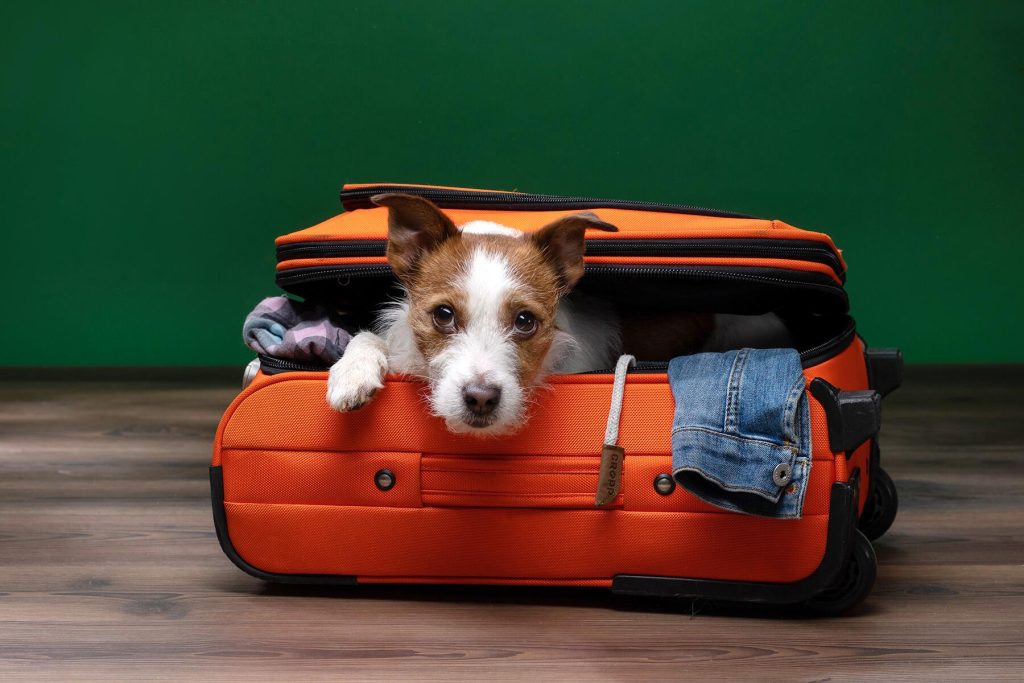
Here are our tips on the best ways for traveling with pets
1. Choose a Pet-Friendly Destination
When planning a trip with your pet, be sure to choose a destination that welcomes animals. The last thing you want is to keep your pet cooped up in a crate or hotel room for the entire trip.
Look for destinations with plenty of pet-friendly activities and places to explore. Depending on where you’re going, this could include pet-friendly beaches, parks, restaurants, walking trails, and other attractions.
Remember to prioritize your pet’s safety and comfort when choosing a destination. Plan ahead and make sure you have any necessary documentation, vaccinations, or other requirements before you leave.
2. Book Pet-Friendly Transportation
If you’re not traveling by car, you’ll need to find a pet-friendly form of transportation. Many public transportation systems, including buses, trains, and subways, allow pets, but rules and restrictions vary depending on the location and carrier.
Some transportation providers require pets to remain in carriers, while others may allow leashed pets. Check the rules with your transportation provider ahead of time and make sure you have any required documentation or vaccination records.
Service animals are generally permitted in many forms of transportation, but special requirements may apply. Emotional support animals are typically not considered service animals, meaning the transportation company’s regular pet policies may apply.
3. Research Pet-Friendly Accommodations
If you’ll be staying at a hotel or another type of accommodation, research pet-friendly options well in advance.
Some accommodations may have restrictions based on your pet’s size or breed, while others may charge additional pet fees or require specific arrangements. Policies can vary significantly, so confirm the rules before booking.
Once you’ve chosen a place to stay, let the accommodation know that you’ll be traveling with a pet. Booking early can also give you more options when looking for pet-friendly lodging.
4. Visit the Vet
Before traveling, take your pet to the veterinarian for a check-up and make sure they are up to date on necessary vaccinations and medications.
International travel often requires specific health documentation, and even some domestic trips may have additional requirements. Ask your veterinarian about any documentation your destination requires and bring copies of your pet’s health records with you.
If your pet becomes anxious while traveling, your veterinarian may be able to recommend appropriate calming strategies or medications. If necessary, they can also discuss prescription anti-anxiety medication.
It’s important to consider your pet’s overall health and stress level before deciding to travel. For some pets, especially those with significant anxiety or certain health conditions, staying home with a trusted friend, family member, pet sitter, or boarding facility may be the better option.
5. Pack Necessary Supplies
Along with your own belongings, pack everything your pet will need for the trip. Having familiar items on hand can also help your pet feel more comfortable in unfamiliar surroundings.
Consider bringing:
- Collar or harness with current identification
- Microchip information with your current contact details
- Leash
- Food and water bowls
- Pet food and treats
- Plenty of water
- Medications and recent health records, including proof of vaccinations
- Pet toys, including puzzle toys to help keep them occupied
- Waste bags or a travel litter box
- Pet bed or familiar blankets
- Crate
- Appropriate carrier
- Pet first-aid kit
- A list of veterinarians near your destination, including a 24-hour emergency clinic
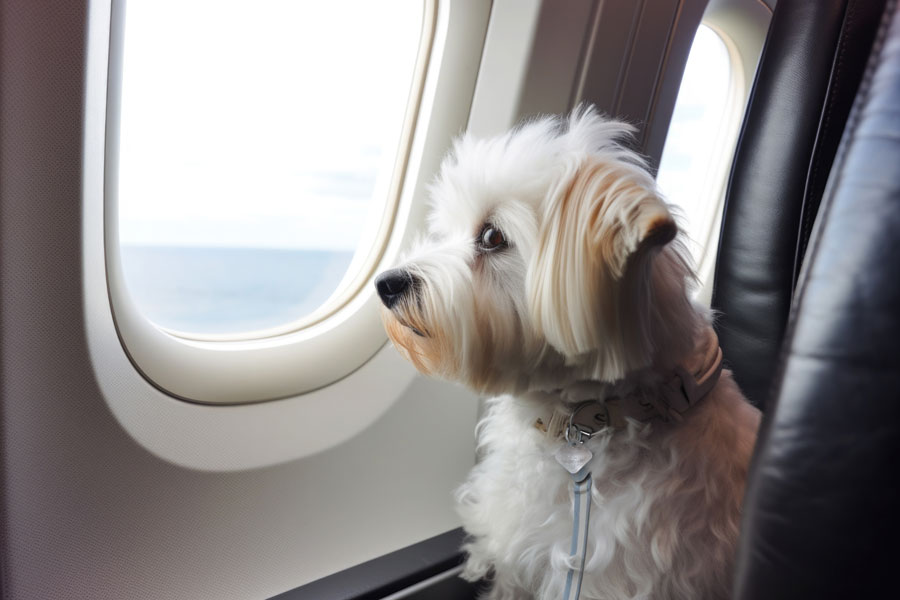
If you’re traveling by plane, make sure you have an airline-approved carrier that meets the airline’s requirements. If you’re traveling by car, use an appropriate restraint or carrier to keep your pet secure while the vehicle is moving.
Depending on your accommodations, you may also need to bring a crate for your pet to use during your stay.
6. Practice in Advance
If your pet isn’t used to traveling, start practicing before the trip.
Some cats are particularly uncomfortable with car rides, but dogs can also become anxious or stressed during travel. Start with short trips in the car or on public transportation to help your pet become familiar with the experience.
Reward calm behavior with treats, toys, or praise, and gradually increase the length of your trips as your pet becomes more comfortable.
Your veterinarian or a qualified trainer can provide additional guidance. If your pet experiences severe travel anxiety, you may want to consult an animal behavior specialist or veterinary behaviorist.
If your pet experiences motion sickness during car rides, discuss it with your veterinarian before traveling. There may be medications, feeding strategies, or other techniques that can help reduce the problem.
7. Take Regular Breaks
When traveling by car, plan regular stops so your pet can stretch, use the bathroom, drink water, and get some exercise.
Avoid leaving your pet alone in a parked vehicle, particularly during hot or cold weather. Temperatures inside a vehicle can become dangerous quickly, even when the weather outside doesn’t seem extreme.
Keep your pet safely restrained whenever the vehicle is moving, and use breaks as an opportunity to check that they’re comfortable and doing well.
8. Keep Your Pet’s Routine as Normal as Possible
Travel can be stressful because your pet is suddenly surrounded by unfamiliar places, smells, sounds, and people. Keeping parts of their normal routine intact can help them feel more secure.
Try to maintain their usual feeding, bathroom, exercise, and sleeping schedules as much as possible. Bring familiar items such as their bed, blanket, or favorite toy to give them something recognizable in unfamiliar surroundings.
Pay attention to your pet’s behavior throughout the trip. Signs of stress can include excessive panting, hiding, whining, restlessness, changes in appetite, or unusual behavior. If your pet appears overwhelmed, give them time to rest somewhere quiet and comfortable.
With some preparation and patience, traveling with your pet can become a positive experience for both of you. Planning ahead, prioritizing safety, and giving your pet time to adjust can make the journey much smoother.