Bringing your pet home for the first time is one of the most exciting moments you’ll share together and the start of a new life as companions. But we won’t sugarcoat it—the first week with a new pet can be challenging, no matter how prepared you are. Fortunately, keeping a few key tips in mind can make the transition easier for both you and your new furry friend.
Here are five common mistakes new pet parents make during the first week and how you can avoid them.

1. Not Sticking to a Routine
One of the keys to successful pet ownership is finding the right balance between flexibility and structure. While you’ll want to enjoy plenty of spontaneous moments with your new pet, a consistent routine can help them understand what to expect from you and their new surroundings.
Establish a routine as soon as possible, including regular mealtimes, potty breaks, walks, playtime, and bedtime. A predictable schedule can help reduce stress and make it easier for your pet to settle into their new home.
“Especially when in a new environment, routine can be so helpful to settle potential anxiety from the new pet,” says Alli Rooney, marketing manager for an animal rescue organization. “If you are changing up what happens each day and what times meals and walks occur, the new pet can take a longer time to adjust.”
2. Leaving Them Alone for Too Long
As you build trust with your new pet, they’ll likely become more comfortable spending time on their own. However, during the first week, it’s best to keep a close eye on them whenever your schedule allows.
Remember that while you may be familiar with every part of your home, your new pet is not. Everything from unfamiliar sounds and smells to new people and surroundings can take some time to get used to.
Spending more time with your pet during the first few days can also help you identify and address unwanted behaviors, such as destructive chewing or potty accidents. It gives you an opportunity to establish boundaries and reinforce positive behaviors early.
Keeping a close eye on your pet can also help you notice signs of illness or discomfort. If they become unwell after coming home, recognizing changes in their behavior, appetite, or energy levels early can help you determine when they may need veterinary attention.
3. Forgetting to Transition Their Food
Your pet’s diet deserves special attention during the first week at home. Before changing their food, find out what they were eating before you adopted them. You can usually get this information from the shelter, rescue organization, breeder, or previous owner.
Even if you eventually want to switch to a different food, changing their diet suddenly can cause digestive upset. Instead, transition gradually by slowly introducing the new food while reducing the amount of their previous food.
Keeping their diet consistent at first can give your pet one less change to adjust to while they’re getting comfortable in their new environment.
4. Skipping the Initial Vet Appointment
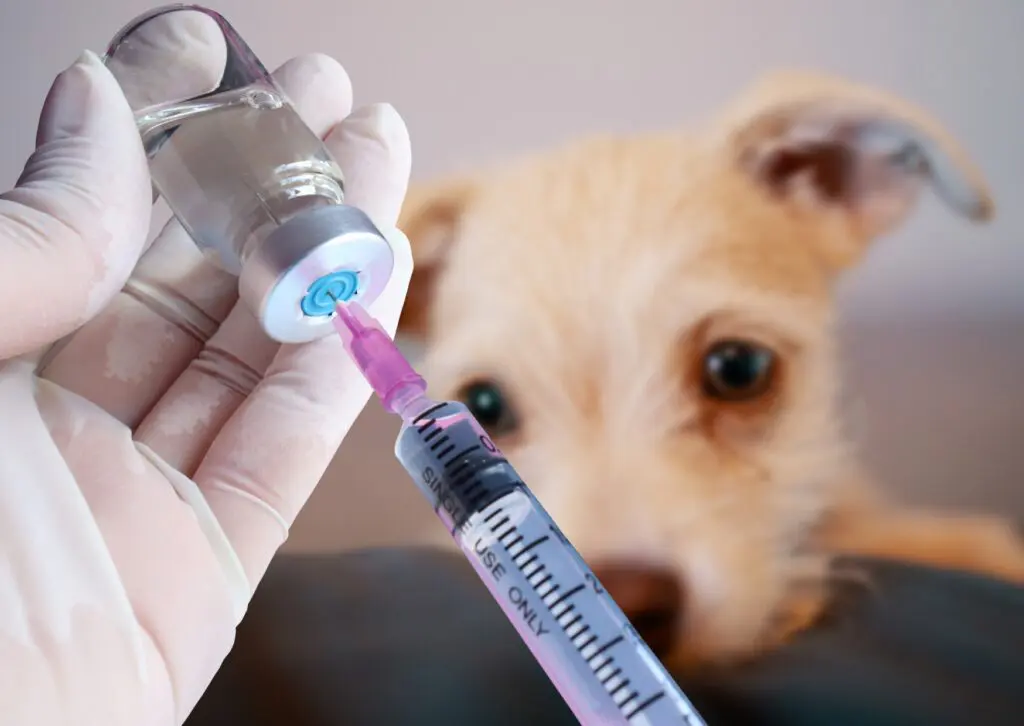
Even if your new pet received vaccinations and other routine care before adoption, scheduling an initial veterinary appointment is an important part of bringing them home.
A veterinarian can perform a thorough wellness examination and establish a health baseline for future visits. Depending on your pet’s history, they may also recommend vaccinations, parasite prevention, testing, or other care.
The first appointment is also a good opportunity to ask questions about your pet’s diet, behavior, exercise needs, grooming, and any concerns you may have. Bring any medical or vaccination records you received when you adopted your pet so your veterinarian has as much information as possible.
Getting your new pet checked early can also help you identify potential health concerns before they become more serious. If your pet shows signs of illness or unusual behavior, contact your veterinarian rather than waiting for the next routine appointment.
5. Overwhelming Them With Too Much Too Soon
It’s natural to want your new pet to feel like part of the family right away. You may be eager to introduce them to friends and family, show them around the entire house, or spend every available moment playing with them. However, too much activity during the first week can leave a new pet feeling overwhelmed.
Remember that your pet is adjusting to a completely new environment. Give them time to become familiar with their surroundings and allow them to approach new people and experiences at their own pace.
Creating a quiet, comfortable space where your pet can retreat when they need a break can also make the adjustment easier. Keep their food, water, bed, and other essentials nearby so they have a familiar place to relax.
It’s also important to pay attention to your pet’s behavior. If they seem nervous, hide frequently, avoid interaction, or appear overwhelmed, give them some space rather than forcing them to socialize.
With patience and a predictable routine, your pet can gradually become more comfortable in their new home.
Give Your New Pet Time to Adjust
The first week with a new pet may not go exactly as planned, and that’s okay. Your new companion is getting used to unfamiliar surroundings, new people, new routines, and a completely different way of life.
By maintaining a consistent routine, spending time with them, keeping their diet familiar, scheduling an initial vet visit, and giving them plenty of time to adjust, you can help make the transition smoother for both of you.
Most importantly, be patient. Building trust and developing a strong bond takes time, but those first few days are an important opportunity to help your new pet feel safe, comfortable, and at home.