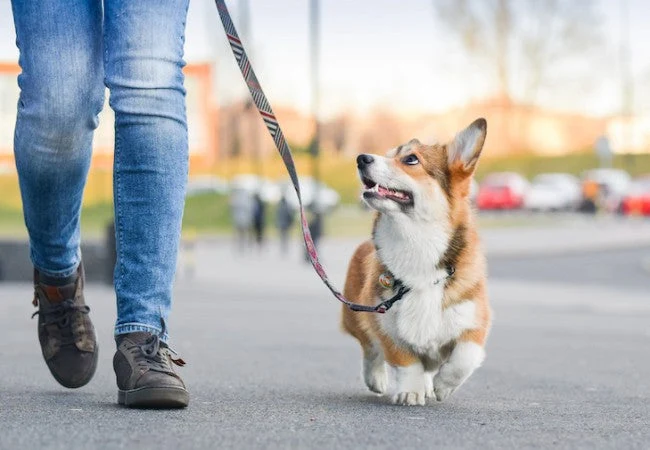
Regular walks are one of the most important parts of caring for a dog. Walking gives your dog an opportunity to exercise, explore their surroundings, experience new smells, and spend quality time with you. It can also help prevent boredom and support healthy weight management.
But how often should you actually walk your dog? The answer depends on several factors, including your dog’s age, breed, health, energy level, and individual personality.
How Often Should You Walk Your Dog?
For many healthy adult dogs, one to two walks a day is a good starting point. The total amount of exercise your dog needs can vary considerably, however.
Some dogs may be perfectly happy with two shorter walks, while high-energy dogs may need longer walks or additional activities throughout the day.
A typical routine might include:
- One longer walk: Around 30–60 minutes
- Two shorter walks: Around 20–30 minutes each
- Additional activity: Playtime, training, or supervised outdoor activity
These are general guidelines rather than strict requirements. Pay attention to your dog’s behavior and energy levels to determine whether their current routine is working.
Factors That Affect How Much Your Dog Should Walk
Age
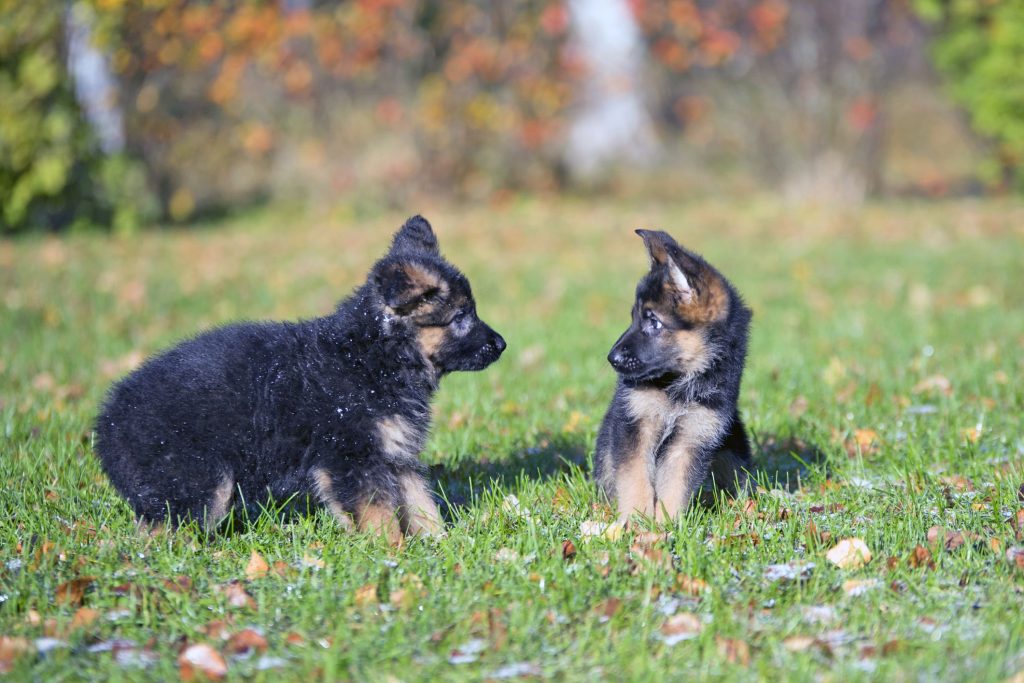
Puppies usually need shorter, more frequent periods of activity rather than long walks. Their bodies are still developing, so excessive exercise can put unnecessary strain on growing joints.
Senior dogs may also need shorter walks, particularly if they have arthritis, joint problems, or other age-related health concerns.
Adult dogs generally have more flexibility when it comes to exercise, depending on their health and energy level.
Breed
Different breeds have very different exercise requirements.
High-energy breeds may need significantly more physical activity than dogs that naturally prefer a slower pace. Working and sporting breeds, for example, may benefit from longer walks combined with games, training, or other activities.
Smaller or lower-energy dogs may be satisfied with shorter walks, although size alone doesn’t determine how much exercise a dog needs.
Health
A dog’s health should always be considered when planning their exercise routine.
Dogs with joint problems, heart conditions, breathing difficulties, obesity, or other health issues may need modified exercise. If you’re unsure how much activity is appropriate for your dog, speak with your veterinarian.
Personality and Energy Level
Two dogs of the same breed and age can still have very different energy levels.
Some dogs are naturally active and eager to keep moving, while others are more relaxed. Your dog’s behavior can give you useful clues about whether they’re getting enough activity.
Signs Your Dog May Need More Exercise
A dog that isn’t getting enough physical or mental stimulation may show changes in behavior.
Possible signs include:
- Excessive chewing or destructive behavior
- Restlessness around the house
- Excessive barking
- Constantly seeking attention
- Difficulty settling down
- Weight gain
- Repeated attempts to initiate play
- Seeming bored or frustrated
These behaviors don’t always mean your dog needs longer walks. Boredom, anxiety, training issues, and health problems can cause similar behaviors. However, increasing appropriate physical and mental activity can often help.
Don’t Forget Mental Stimulation
A walk isn’t just about physical exercise.
Dogs experience the world heavily through their sense of smell. Allowing your dog time to sniff and investigate their surroundings can provide valuable mental stimulation.
Instead of rushing through every walk, give your dog opportunities to explore safely. Changing your walking route occasionally can also introduce new sights, sounds, and smells.
You can supplement walks with activities such as:
- Short training sessions
- Puzzle toys
- Fetch
- Hide-and-seek games
- Scent games
- Supervised play with other dogs
Mental stimulation can be particularly helpful for dogs that become tired of repetitive walks.
Should You Walk Your Dog Every Day?
For most healthy dogs, regular daily activity is beneficial.
Skipping an occasional walk isn’t usually a problem, particularly if you provide other forms of exercise and enrichment. However, making physical activity part of your dog’s normal routine can help support their physical health and overall well-being.
Consistency is often more important than trying to achieve a specific number of minutes every day.
What About Puppies?
Puppies need exercise, but their growing bodies require special consideration.
Instead of taking a young puppy on long walks, provide several short periods of activity throughout the day. Play, basic training, and supervised exploration can all contribute to their daily activity.
As your puppy grows, gradually increase their activity according to their development and your veterinarian’s guidance.
It’s also important to consider vaccination status before taking a young puppy into areas where they may be exposed to infectious diseases.
What About Senior Dogs?
Older dogs often benefit from staying active, but their exercise needs may change with age.
A senior dog might no longer be able to handle the same long walks they enjoyed when they were younger. Shorter, gentler walks may be more appropriate.
Watch for signs that your dog is struggling, such as:
- Limping
- Excessive panting
- Difficulty getting up
- Reluctance to continue walking
- Stiffness after exercise
- Slowing down significantly
If these symptoms are new or persistent, consult your veterinarian rather than simply reducing exercise on your own.
Adjust Walks for the Weather
Weather can have a major effect on how comfortable and safe a walk is.
During hot weather, consider walking during cooler parts of the day and providing plenty of water. Be particularly careful with dogs that have thick coats, short noses, or other characteristics that can make them more vulnerable to heat.
In cold or wet weather, your dog’s tolerance may also vary. Some dogs are comfortable outdoors in cool conditions, while others may need shorter walks and additional protection.
Always pay attention to your dog’s behavior and avoid forcing them to continue exercising when conditions become uncomfortable or unsafe.
How Do You Know If Your Dog Is Getting Enough Exercise?
There isn’t one perfect amount of walking that works for every dog.
A good routine should leave your dog appropriately tired and satisfied without causing excessive exhaustion. Your dog should still be able to recover comfortably after activity and remain interested in normal daily activities.
If your dog consistently seems restless, destructive, or excessively energetic, they may need more physical or mental stimulation. On the other hand, if your dog regularly struggles during or after walks, their routine may be too demanding.
When in doubt, your veterinarian can help you determine an appropriate level of exercise based on your dog’s age, breed, weight, health, and individual needs.
The Bottom Line
Most dogs benefit from regular daily walks, but the right amount depends on the individual dog. One to two walks a day is a reasonable starting point for many healthy adult dogs, but some dogs will need more activity while others may need less.
The goal isn’t simply to walk your dog for a certain number of minutes. It’s to provide an appropriate combination of physical exercise, mental stimulation, exploration, and rest.
By paying attention to your dog’s age, health, energy level, and behavior, you can build a walking routine that helps keep them active, healthy, and happy.