
Here’s a fun pet insurance fact: The first insured pet in the U.S. was Lassie—the famous TV collie—in 1982. Today, dogs make up the majority of the 5.36 million insured pets in the U.S. About 80% of insured pets are dogs compared to 20% cats.
The average annual cost of owning a dog is about $1,400, and cat ownership costs about $1,150.
But that cost doesn’t include unexpected vet bills for problems like ingested foreign objects or cancer. One in three pets need emergency veterinary treatment every year and a pet receives emergency care every 2.5 seconds in the U.S.
Many owners rely on pet insurance to cover vet bills, but the overwhelming majority of pet owners don’t have it. The pet insurance statistics below can help shed light on many issues related to pets and their owners.
Pet Insurance in the U.S. at a Glance
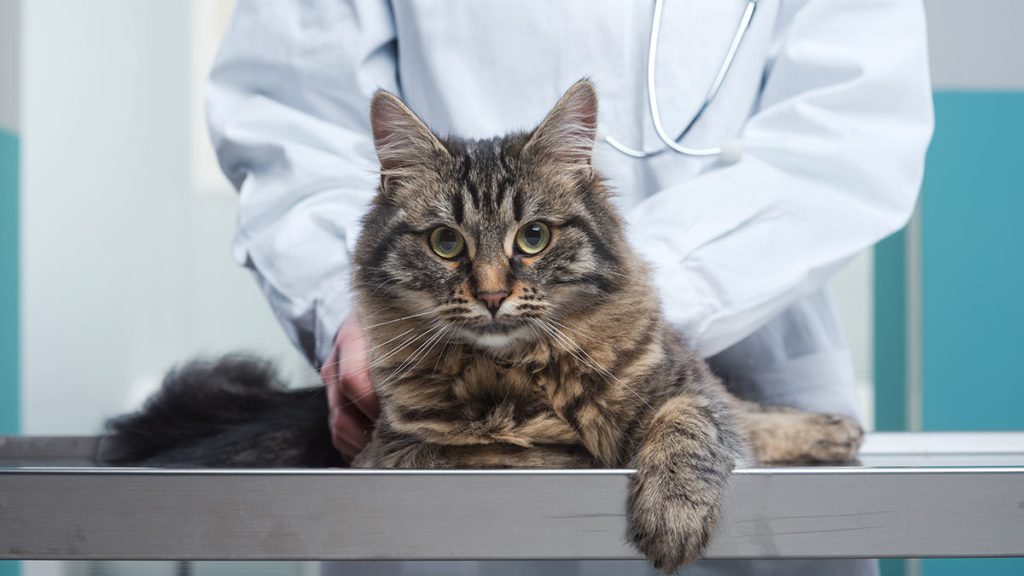
The best pet insurance plans contain a variety of coverage features that will help pay for unexpected illness and accidents. In many cases you can also add a pet wellness plan, which helps pay for routine vet visits, vaccinations and other expenses necessary to keep your pet healthy.
- The average monthly premium for accident and illness pet insurance in the U.S. is about $53 per month for dogs, and about $32 per month for cats.
- The annual average costs of veterinary visits for households with either a dog or cat has increased significantly in the last three years.
- The top medical condition for a dog is skin conditions.
- The top medical condition for a cat is urinary tract infections.
- For the first time ever, recreational drugs made the list of the top 10 toxins for animals treated by the ASPCA in 2022.
- The top-paid medical-related pet insurance claim for dogs was $60,882 last year.
- The top-paid medical-related pet insurance claim for cats was $40,057 last year.
- Dog owners are most concerned about their pets ingesting a foreign substance or object (such as a toy).
Pet Insurance Statistics
Two-thirds of U.S. households have a pet as of 2023. That’s a 56% increase since 1986, according to a Forbes Advisor analysis of pet ownership statistics.
How many pet owners have insurance? About 4% of dogs are insured and about 1% of cats.
Here’s more information on pet insurance.
- The average cost of pet insurance is higher for a dog than a cat.
- Every six seconds a pet owner is faced with a vet bill of $1,000 or more.
- The pet insurance market size was valued at $8.6 billion in 2022 and is projected to be valued at $16 billion by 2032.
- The total number of insured pets has seen double-digit increases in the last four years, with an average growth rate of 26.6% since 2018.
- Insurance companies grossed $3.2 in pet insurance premiums by the end of 2022.
Pet Insurance Plans and Associated Benefits
This is a chart that shows the different types of pet insurance, and the associated coverage benefits with each plan
| Type of Pet Insurance | Coverage Benefits |
|---|---|
| Comprehensive Coverage | Accidents, injuries, routine veterinary checkups and vaccinations |
| Accident and Illness Coverage | Vet bills for accidents and illnesses |
| Accident-Only Coverage | Vet bills for accidents |
| Pet Wellness Coverage | Routine veterinary checkups, flea and heartworm prevention, and vaccinations (You can usually add this coverage to an accident and illness policy but not an accident-only policy) |
The exact problems that are covered by pet insurance depend on what type of pet insurance plan you buy. There are generally two types of plans:
- Accident and illness plan
- Accident-only plan
Accident and illness policies cover the most problems, such as broken bones, ligament tears, cancer and common illnesses. As the name implies, an accident-only plan will only cover accidents like bite wounds and ligament tears. You can often add a pet insurance wellness plan for routine care for expenses like annual vet check-ups and vaccinations.
- The cost of pet insurance will vary depending on your annual coverage limit, deductible and reimbursement percentage.
- The average monthly cost of pet insurance is $44 for a dog and $30 for a cat for a policy with $5,000 annual coverage, a $250 deductible and 80% reimbursement level.
- The average monthly cost of pet insurance is $56 for a dog and $47 for a cat for a policy with unlimited annual coverage, a $500 deductible and 90% reimbursement level.
What Is and Isn’t Covered by Pet Insurance?
This table shows what treatments and procedures are covered for pets with a pet insurance policy.
| What’s Covered | What Isn’t Covered |
|---|---|
| Accidents and injuries (e.g., broken bones, bite wounds, swallowing objects or toxins) | Boarding* |
| Cancer (if developed after the plan is pre-existing) | Breeding, pregnancy or whelping |
| Diagnostic tests (e.g., x-rays, lab work) | Cloning |
| Emergency care | Cosmetic procedures (e.g., ear cropping, tail docking) |
| Illnesses (e.g., diarrhea, urinary tract infections, vomiting) | Experimental treatment |
| Prescription medication | Food, dietary and nutritional supplements |
| Specialty care | Grooming |
| Surgeries and hospitalizations | Pre-existing conditions |
| Training* |
Pet Insurance by Breed
Your pet’s breed will be a factor when an insurer determines pet insurance costs. Large dog breeds like mastiffs tend to be more expensive to insure than small dog breeds like Chihuahuas. The most expensive dog breed to insure is the American Bandogge Mastiff, according to a Forbes Advisor analysis of pet insurance filings.
- Pet insurance for dogs such as French bulldogs, golden retrievers and German shepherds is more expensive than insurance for Chihuahuas, Shih Tzus and small mixed breeds.
- Pet insurance for a French bulldog is $63 more per month compared to a Chihuahua for a plan with unlimited annual coverage, a $500 deductible and 90% reimbursement level.
- Pet insurance for cats such as Maine coons, British shorthairs and Abyssinians is more expensive than insurance for mixed breeds and domestic shorthairs.
- Pet insurance for a Maine coon costs $10 per month more to insure than a domestic shorthair for a with unlimited annual coverage, a $500 deductible and 90% reimbursement level.
Unexpected vet bills can cost you thousands of dollars. For example, the average cost for a surgery for a swallowed foreign object is $3,500 for dogs and $3,400 for cats, according to a Forbes Advisor analysis of vet visit costs.
- For households with dogs, average annual vet costs increased 60% from 2020 to 2022, from $224 to $362.
- For households with cats, average annual vet costs increased 70% from 2020 to 2022, from $189 to $321.
- 78% of owned dogs are either spayed or neutered, and 85% of owned cats are either spayed or neutered.
- The average cost of recommended vaccines for dogs, including bordetella, DAPP, bivalent influenza, leptospirosis and lyme disease is about $176.
- The average cost of recommended vaccines for cats, including feline distemper FVRCP, feline leukemia virus and rabies vaccines is about $88.
- Over a third (35%) of pet owners said they delayed an annual vet visit due to cost.
- Nearly a quarter (23%) of pet owners said they delayed getting their pet vaccinations or booster shots in the last 12 months due to cost.
- 60% of pet owners said they were extremely satisfied with their veterinary visits in 2021, and 30% said they were somewhat satisfied.
Top Medical Conditions for Dogs and Cats
Common medical conditions can mean an expensive trip to the vet. For example, we found that the average cost of treatment for a urinary tract infection in cats is $1,000.
- Dogs and cats share gastroenteritis/gastrointestinal (stomach) conditions as the second most common medical condition among pets.
- Among the other shared top medical conditions of both animals are urinary tract infections, skin conditions, diarrhea and vomiting.
Most Common Medical Conditions for Dogs, Cats
This table lists the top 10 most common medical conditions for cats and dogs
| High To Low | Dogs | Cats |
|---|---|---|
| 1 | Vomiting / Emesis | Dental |
| 2 | Urinary Tract Infection | Diarrhea |
| 3 | Skin Conditions (Infections, Allergies, Mass) | Urinary Tract Infection (UTI) |
| 4 | Otitis / Ear Infection | Upper Respiratory Infection (URI) |
| 5 | Lameness / Limping | Vomiting / Emesis |
| 6 | Growth | Hyperthyroidism |
| 7 | Gastroenteritis | Gastrointestinal |
| 8 | Diarrhea | Kidney Disease / Renal Failure |
| 9 | Dermatitis | Conjunctivitis / Eye Conditions |
| 10 | Anxiety / Behavioral condition / Neuro Issues | Skin Conditions (Infections, Allergies, Mass) |
| 11 | Allergies | Diabetes |
Sources:
- North America Pet Health Insurance Association State of the Industry Report 2022 and 2023
- America Pet Projects Association
- American Society for the Prevention of Cruelty to Animals
- American Veterinary Medical Association
- Global Market Insights
- Information Insurance Institute
- PetFirst Pet Insurance
- Humane Society of the United States
- Forbes Advisor survey, November/December 2022
- Forbes Advisor survey, June 2023
- Forbes Advisor: How Much Does A Vet Visit Cost
- Forbes Advisor: How Much Is Pet Insurance?
- Forbes Advisor survey, April/May 2022
- Forbes Advisor survey, July/August 2022
- Forbes Advisor: 20 Most Expensive Dog Breeds To Insure
Read More Here:
The Best Cities For Traveling With Dogs in 2026
Pet Insurance Waiting Periods: How Long Before Coverage Starts?
Much more to read HERE